
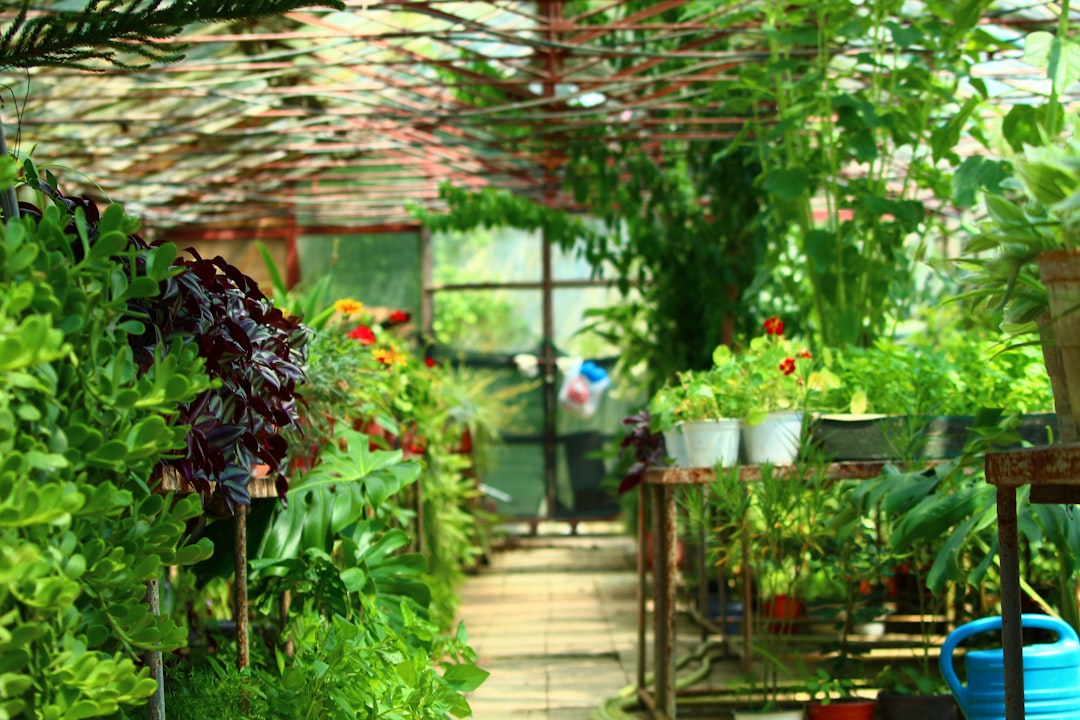

Fresh herbs elevate cooking from ordinary to extraordinary, but grocery store prices make regular use financially impractical. An indoor herb garden solves this problem while adding life to your kitchen. With proper setup and care, your indoor garden produces fresh herbs continuously, regardless of outdoor weather or season.
Understanding Indoor Growing Challenges
Indoor herb gardens fail most often from misunderstanding plant needs. Herbs require adequate light, proper drainage, appropriate containers, and consistent care. Skip any element and you’ll watch plants decline despite best intentions. Success comes from creating an environment that mimics outdoor conditions as closely as possible indoors.
The most common mistake is insufficient light. Windows provide some light, but rarely enough for productive herb growth. Supplemental lighting makes the difference between struggling plants and thriving gardens. This investment pays for itself quickly in herbs harvested.
Selecting the Right Location
South-facing windows offer the best natural light for indoor gardens. If you have this exposure, you’re ahead of the game. East and west windows work with supplemental lighting. North-facing windows require significant artificial light to succeed.
Consider kitchen placement carefully. Herbs benefit from humidity created by cooking, but need protection from excessive heat and grease. A spot near, but not directly beside, the stove works well. Accessibility matters—you’ll use herbs more when they’re convenient to reach while cooking.
Lighting Solutions That Work
LED grow lights have revolutionized indoor gardening. Modern options consume minimal electricity while providing full spectrum light that plants need. Adjustable height fixtures let you position lights optimally as plants grow.
For serious indoor gardening, invest in quality grow lights rather than struggling with inadequate options. A good setup costs $50-150 but lasts for years. The improved plant health and productivity justify the investment many times over. Position lights 6-12 inches above plants, adjusting as needed.
Container Selection and Drainage
Herbs hate wet feet. Containers must have drainage holes, without exception. Decorative pots without drainage can work as outer containers, but plants must sit in inner pots that drain freely. This double-pot system gives you aesthetic flexibility while ensuring plant health.
Size matters more than you’d think. Most herbs need at least 6-8 inches of soil depth for healthy root development. Shallow containers restrict growth and require constant watering. Terra cotta pots breathe nicely and help prevent overwatering, while plastic retains moisture longer—choose based on your watering habits.
Soil and Potting Mix
Regular garden soil doesn’t work indoors. It compacts, drains poorly, and often contains weed seeds or pests. Quality potting mix provides the light, fluffy texture herbs need. Look for mixes containing perlite or vermiculite for drainage, with peat moss or coir for moisture retention.
Some gardeners create custom mixes: one-third potting soil, one-third perlite, and one-third compost. This combination drains well while providing nutrients. Whatever you choose, avoid heavy, dense mixes that stay waterlogged. Herbs prefer slightly dry conditions to constantly wet roots.
Best Herbs for Indoor Success
Start with herbs that tolerate indoor conditions well. Basil, parsley, cilantro, chives, and mint are relatively forgiving. Basil needs warmth and abundant light but grows quickly and productively. Parsley tolerates lower light better than most. Cilantro grows fast in cool conditions. Chives are nearly indestructible. Mint grows so vigorously it often needs containment.
Mediterranean herbs like rosemary, thyme, oregano, and sage prefer drier conditions and moderate light. They grow more slowly but are incredibly hardy once established. These perennial herbs provide harvests for years from a single planting.
Starting from Seeds vs. Transplants
Transplants from nurseries give you a head start and immediate harvests. This instant gratification helps maintain enthusiasm while you learn indoor gardening fundamentals. Buy healthy plants without yellowing leaves or leggy growth.
Starting from seed costs less and provides more variety. Basil, cilantro, and dill germinate quickly and easily from seed. Sow directly in final containers or start in smaller pots and transplant. Keep soil moist during germination, then reduce watering as seedlings establish.
Watering Wisdom
Overwatering kills more indoor herbs than any other factor. Herbs prefer soil that dries slightly between waterings. Stick your finger an inch into the soil—if it feels dry, water thoroughly until water drains from the bottom. If soil feels moist, wait another day.
Watering frequency depends on light levels, temperature, humidity, and pot size. Check plants every few days and water based on soil moisture, not schedule. Morning watering allows foliage to dry during the day, preventing fungal issues. Always use room temperature water—cold water shocks roots.
Fertilizing for Productivity
Indoor herbs need regular feeding since frequent harvesting depletes nutrients. Use liquid fertilizer diluted to half strength every two weeks during active growth. Fish emulsion or seaweed-based fertilizers work excellently. Alternatively, use a slow-release granular fertilizer every six weeks.
Signs of nutrient deficiency include yellowing leaves, slow growth, and poor flavor. Don’t over-fertilize, though—excess nutrients cause leggy growth and reduced flavor intensity. Herbs grown slightly lean produce more concentrated flavors.
Harvesting Techniques That Promote Growth
Proper harvesting keeps plants productive and bushy. For most herbs, pinch stem tips regularly rather than stripping lower leaves. This encourages branching and fuller growth. Harvest in the morning after dew dries for peak flavor.
Never remove more than one-third of a plant at once. This guideline ensures the plant maintains enough foliage to photosynthesize and recover quickly. Regular light harvesting produces more total herbs than occasional heavy cutting.
Pest Management
Indoor environments usually minimize pests, but problems occasionally arise. Aphids, spider mites, and fungus gnats are most common. Inspect plants weekly for early detection. Isolate affected plants immediately to prevent spread.
Treat minor infestations with insecticidal soap or neem oil spray. These organic options handle most indoor pests effectively. For fungus gnats, allow soil to dry more between waterings and apply beneficial nematodes if problems persist. Prevention through proper care beats treating established infestations.
Temperature and Humidity Control
Most herbs prefer temperatures between 60-70°F, similar to comfortable human ranges. Avoid placing plants near heating vents, radiators, or air conditioning units. Temperature fluctuations stress plants and reduce productivity.
Low indoor humidity challenges some herbs, especially basil. Group plants together to create a humid microclimate. Place pots on trays filled with pebbles and water—as water evaporates, it increases local humidity. Avoid misting, which can promote fungal diseases without significantly improving humidity.
Pruning and Maintenance
Regular pruning keeps herbs productive and attractive. Remove any yellowing or dead leaves promptly. Pinch back growing tips to encourage bushiness. If plants become leggy, cut them back significantly—most herbs recover quickly and grow more compactly.
Some herbs, particularly basil, try to flower. Remove flower buds immediately. Once herbs flower, leaf production slows and flavor declines. Continual pinching of flower buds extends productive harvest periods significantly.
Rotating and Refreshing
Rotate pots weekly so all sides receive equal light exposure. This prevents plants from leaning and promotes even growth. Every few months, refresh the top inch of soil by removing it and adding fresh potting mix with compost. This minor maintenance extends container life and plant health.
Most annual herbs (basil, cilantro, dill) need replanting every few months. They grow quickly, become productive, then decline. Succession planting—starting new seeds every 3-4 weeks—ensures continuous harvest. Perennial herbs can grow for years in containers with proper care and occasional repotting.
Creative Display Options
Vertical gardens maximize space in small kitchens. Wall-mounted planters, hanging systems, or tiered shelving create attractive displays while providing access to multiple herbs in limited floor space. Ensure any vertical system still meets light and drainage requirements.
Windowsill gardens work well with appropriately sized containers. Matching pots create cohesive appearance, while mixed containers add eclectic charm. Consider adding grow lights on adjustable arms that move out of the way when not needed.
Troubleshooting Common Problems
Yellowing leaves usually indicate overwatering or nutrient deficiency. Check soil moisture and adjust watering, or increase fertilization. Brown, crispy leaf edges suggest underwatering or low humidity. Leggy, stretched growth means insufficient light—move plants closer to light source or add supplemental lighting.
If herbs grow slowly or lack flavor, evaluate all conditions: light, water, nutrients, temperature. Plants communicate needs through appearance. Learning to read these signals separates successful indoor gardeners from those who struggle.
The Economic Reality
A small indoor herb garden saves substantial money. Fresh basil costs $3-4 per small package at grocery stores. A single productive basil plant yields dozens of packages worth of leaves. Multiply this across multiple herbs and savings become significant—easily $50-100 monthly for regular herb users.
Beyond economics, the convenience and quality factors matter tremendously. Fresh herbs picked seconds before use taste dramatically better than store-bought options that have been sitting for days. This quality improvement alone justifies the modest investment in setup and maintenance.
Your indoor herb garden represents more than just fresh ingredients. It connects you to food sources, teaches plant care skills, and brings living beauty into your kitchen. The daily interaction with growing things provides psychological benefits that transcend the practical value of fresh herbs. Start small, learn as you grow, and enjoy the abundance that follows.

