
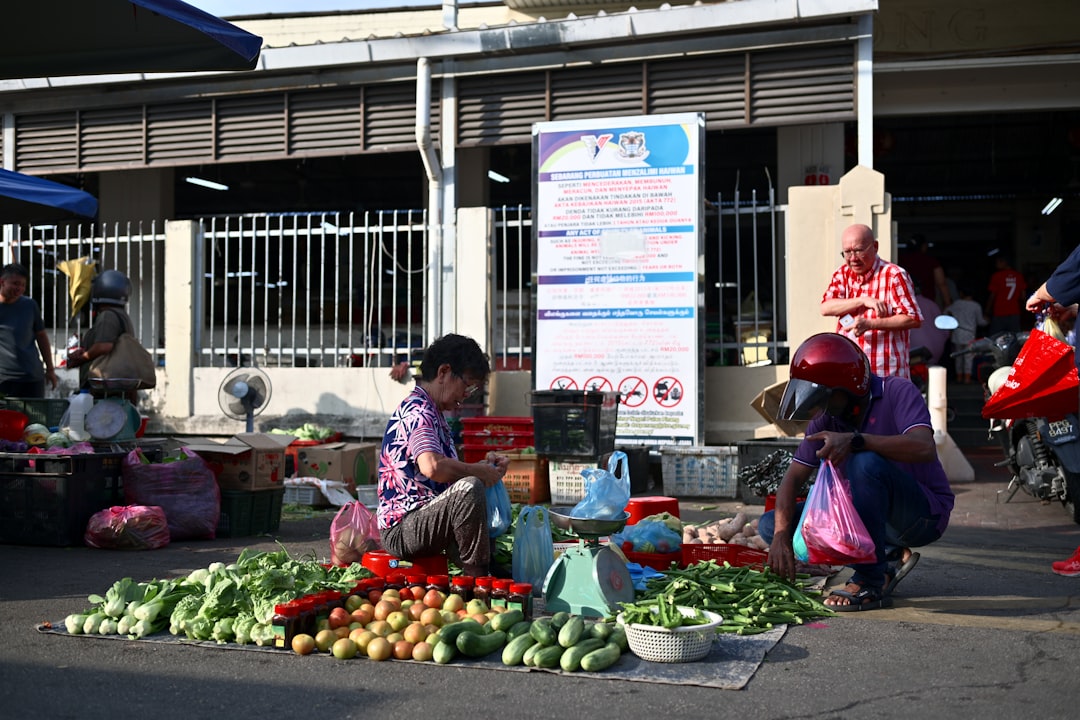

Foreign markets overwhelm tourists but locals navigate them with confident ease. However, understanding market dynamics and cultural norms transforms confusion into enriching experiences.
1. Observe Before Engaging
Rushing into transactions guarantees tourist prices and awkward cultural missteps. Therefore, spend fifteen minutes observing how locals interact before purchasing anything.
Watch how locals select produce, negotiate prices, and handle transactions completely. Moreover, this observation reveals unwritten rules that guidebooks never explain.
Notice which stalls attract local customers versus obvious tourist traps nearby. Additionally, locals shop where quality justifies prices rather than convenient tourist locations.
2. Learn Essential Market Vocabulary
Basic local language dramatically changes how vendors treat and price for you. Consequently, learn numbers, greetings, and simple questions before visiting markets.
| Essential Phrases | Purpose | Impact on Experience |
|---|---|---|
| Greetings | Show respect | Very High |
| “How much?” | Price inquiry | High |
| Numbers 1-100 | Understanding prices | Critical |
| “Too expensive” | Negotiation | High |
| “Thank you” | Politeness | Medium |
Practice pronunciation with hotel staff before venturing to markets alone. Furthermore, locals appreciate effort even if your accent remains obviously foreign.
Smartphone translation apps provide backup when vocabulary fails unexpectedly. Meanwhile, visual translation features help with written price signs.
3. Understand Local Shopping Rhythms
Markets follow daily patterns that affect selection, prices, and crowd levels. Therefore, timing visits strategically improves both experience and purchase quality.
Early morning offers freshest products before heat affects quality throughout the day. Moreover, vendors are more engaged before exhaustion from long market days.
Late afternoon brings discounts as vendors prefer selling over carrying inventory home. Additionally, crowds thin making browsing and photography more pleasant.
4. Master the Art of Negotiation
Fixed prices exist in some markets but negotiation is expected in others. Consequently, learning local negotiation customs prevents offense and overpaying.
Start by asking prices to gauge whether negotiation is appropriate or rude. Furthermore, vendor responses signal whether bargaining is welcome or insulting.
| Market Type | Negotiation Expected | Starting Offer | Final Price |
|---|---|---|---|
| Tourist markets | Always | 50% of asking | 60-70% of asking |
| Mixed markets | Usually | 70% of asking | 80-90% of asking |
| Local markets | Sometimes | 90% of asking | 95% of asking |
| Grocery markets | Rarely | Fixed | Fixed |
Never negotiate aggressively over amounts equivalent to spare change back home. Meanwhile, remember that fair prices support local livelihoods appropriately.
5. Bring Appropriate Payment
Markets rarely accept cards requiring cash in correct denominations always. Therefore, carry small bills avoiding situations where vendors lack change.
Large bills force vendors to refuse sales or provide incorrect change unfairly. Moreover, breaking big bills often involves time-consuming trips to other stalls.
Keep money in multiple pockets preventing flash of full wallet attracting attention. Additionally, small pouches or money belts protect cash from pickpockets.
6. Select Produce Like Locals Do
Touching produce is offensive in some cultures but expected in others. Consequently, observe local behavior before handling fruits and vegetables freely.
Vendors often select items for customers in cultures where touching is inappropriate. Furthermore, letting vendors choose often results in better quality selections.
Learn to identify ripeness and quality through visual inspection without touching. Meanwhile, asking vendors to choose for you demonstrates trust building rapport.
7. Navigate Food Safety Confidently
Street food and market food terrify tourists but locals eat safely daily. However, knowing what to look for prevents illness while enjoying authentic cuisine.
Choose vendors with high local customer turnover ensuring fresh food constantly. Moreover, food sitting under heat lamps for hours harbors bacteria regardless of appearance.
| Food Safety Indicator | Good Sign | Warning Sign |
|---|---|---|
| Customer volume | Many locals eating | Only tourists |
| Cooking method | Made to order | Pre-cooked, sitting |
| Vendor hygiene | Clean setup | Dirty surfaces |
| Food handling | Gloves or utensils | Bare hands after money |
Cooked foods prepared fresh in front of you are generally safest options. Additionally, avoid raw items unless you see locals eating them confidently.
8. Carry Your Own Bags
Markets rarely provide bags requiring shoppers to bring reusable alternatives. Therefore, bringing sturdy bags signals local knowledge while being environmentally responsible.
Reusable bags also let you browse freely without juggling multiple plastic bags. Furthermore, they blend in better than tourist day packs or purses.
Lightweight mesh produce bags work perfectly for fruits and vegetables. Meanwhile, they let vendors see contents easily preventing suspicion about theft.
9. Build Vendor Relationships
Returning to same vendors builds relationships that improve prices and service. Consequently, identify favorite stalls early and become regular customer quickly.
Regular customers receive preferential treatment, better quality, and honest recommendations. Moreover, vendors remember your preferences making shopping faster and easier.
Small talk beyond transactions creates friendly relationships despite language barriers. Additionally, showing genuine interest in vendors’ lives builds mutual respect.
10. Understand Cultural Shopping Norms
Different cultures have vastly different market expectations and behaviors. Therefore, research specific market etiquette before visiting new countries.
Some markets welcome photography while others consider it offensive or intrusive. Furthermore, asking permission before photographing people shows basic respect.
Pointing at items is rude in certain cultures requiring alternative communication methods. Meanwhile, beckoning gestures vary globally with some considered extremely offensive.
11. Shop for Quality, Not Just Price
Tourist markets emphasize cheap prices while local markets prioritize quality selection. Consequently, paying slightly more for superior products makes financial sense.
Inspect items carefully for defects, freshness, and authenticity before purchasing. Moreover, rushing due to crowds leads to regrettable purchases later.
| Quality Indicator | Fresh Produce | Crafts | Spices |
|---|---|---|---|
| Primary check | Firmness, color | Craftsmanship | Aroma |
| Secondary check | No bruising | Materials | Color vibrancy |
| Tertiary check | In-season | Authentic origin | No moisture |
Ask vendors about origin, freshness, or proper use showing genuine interest. Additionally, these questions reveal knowledge level indicating trustworthiness.
12. Embrace the Complete Experience
Markets provide more than just shopping—they’re cultural experiences worth savoring. Therefore, slow down and absorb sights, sounds, smells, and interactions.
Street food stalls, tea vendors, and shoeshine services all contribute to market atmosphere. Furthermore, participating in various market activities enriches overall experience.
Photography opportunities abound but balance shooting with actually experiencing moments. Meanwhile, putting cameras away sometimes leads to better interactions and memories.
Conclusion
Foreign markets intimidate initially but become favorite travel experiences with practice. However, confidence comes from understanding rather than just repeated exposure.
Visit at least one local market during every trip for authentic cultural immersion. Moreover, markets reveal more about daily life than any museum possibly could.
Remember that mistakes happen and locals generally forgive obvious foreigners gracefully. Therefore, relax and enjoy learning through inevitable minor embarrassments.
The connections formed in markets often become trip highlights worth far more than purchases. Additionally, supporting local vendors directly benefits communities you visit.
Start your market adventures today with curiosity and respect as guides. The cultural understanding you’ll gain enriches all future travel experiences.