
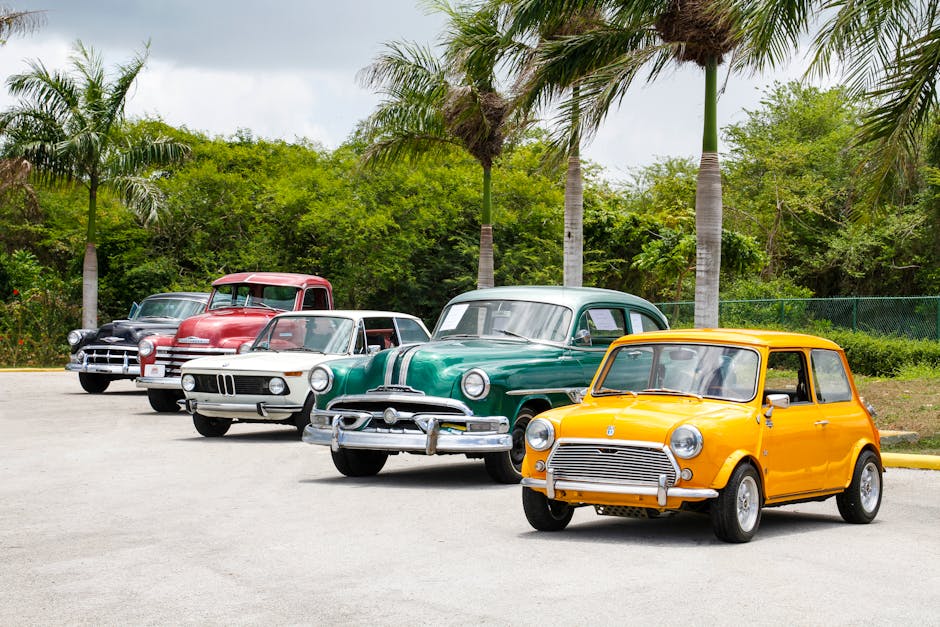

Classic car restoration once required unlimited budgets and expertise. However, modern resources make projects achievable for average enthusiasts.
Most people assume restoration costs tens of thousands minimum. Consequently, they never pursue their automotive dreams despite possibilities.
1. Choose the Right Project Vehicle Carefully
Your initial vehicle choice determines budget feasibility completely. Additionally, popular models offer parts availability and community support.
Research parts availability before purchasing any project car. Subsequently, you’ll avoid vehicles with unobtainable or expensive components.
Common models like Mustangs and Camaros offer abundant resources. Moreover, reproduction parts keep costs manageable throughout restoration.
Avoid rare or exotic vehicles as first projects. Therefore, you won’t face impossible parts searches or custom fabrication.
Buy the best condition vehicle your budget allows. Consequently, you’ll minimize restoration scope and total expenses.
| Vehicle Type | Parts Availability | Budget Range | Difficulty Level | Community Support |
|---|---|---|---|---|
| Muscle Cars | Excellent | $15,000-30,000 | Moderate | Extensive |
| Classic Trucks | Excellent | $12,000-25,000 | Easy | Strong |
| European Sports | Limited | $25,000-50,000 | Difficult | Moderate |
| Domestic Sedans | Good | $10,000-20,000 | Easy | Moderate |
2. Create a Realistic Budget and Timeline
Restoration projects consistently exceed initial estimates. Nevertheless, proper planning prevents catastrophic budget overruns.
Plan for 150% of your estimated costs minimum. Subsequently, you’ll have buffer for unexpected problems inevitably arising.
Break projects into phases spread across multiple years. Additionally, this prevents financial strain from concentrated expenses.
Prioritize mechanical safety over cosmetic perfection initially. Therefore, you’ll drive your project sooner while continuing improvements.
Track every expense in spreadsheets for future reference. Moreover, this data helps price similar projects accurately.
3. Leverage Online Resources and Communities
Internet resources transformed classic car restoration dramatically. Furthermore, free information replaces expensive shop manuals and consultants.
Join model-specific forums connecting with experienced owners. Consequently, you’ll get answers to specific questions quickly.
YouTube channels demonstrate repair techniques visually. Additionally, watching procedures before attempting them prevents mistakes.
Facebook groups facilitate parts location and sales. Therefore, you’ll find rare components without expensive dealer markups.
Online classifieds reveal pricing for parts and services. Moreover, you’ll negotiate better knowing true market values.
4. Source Parts Strategically for Maximum Savings
New parts from dealers cost 3-5 times salvage prices. However, knowing where to look finds quality used components.
Visit salvage yards specializing in your vehicle’s era. Subsequently, you’ll discover original parts in usable condition.
Attend swap meets offering parts at negotiable prices. Additionally, early arrival secures best selection before crowds arrive.
Check online marketplaces daily for newly listed parts. Furthermore, quick responses secure deals before other buyers notice.
Join parts car groups sharing components among members. Therefore, you’ll access inventory without individual storage requirements.
5. Master Basic Bodywork Techniques
Professional body shops charge $100+ per hour for labor. Nevertheless, basic techniques produce acceptable results with practice.
Start with small panels building skills progressively. Consequently, you’ll develop confidence before tackling visible areas.
Use body filler sparingly for proper structural repairs. Additionally, excessive filler cracks and fails over time.
Sand progressively through finer grits achieving smoothness. Moreover, rushing this step shows through primer and paint.
Practice on junk panels before attempting your actual vehicle. Therefore, you’ll learn from mistakes without permanent consequences.
| Bodywork Skill | Learning Curve | Tool Investment | Potential Savings |
|---|---|---|---|
| Dent Removal | Moderate | $200-500 | $2,000-5,000 |
| Panel Replacement | Difficult | $500-1,000 | $3,000-8,000 |
| Rust Repair | Moderate | $300-600 | $2,500-6,000 |
| Paint Prep | Easy | $100-300 | $1,500-3,000 |
6. Paint Your Vehicle Affordably
Professional paint jobs cost $5,000-15,000 for quality work. However, single-stage paints achieve excellent results affordably.
Rent spray equipment rather than buying initially. Subsequently, you’ll avoid large upfront tool investments.
Practice technique on scrap metal before painting. Additionally, proper technique matters more than expensive equipment.
Choose single-stage paint eliminating clear coat requirements. Therefore, you’ll reduce complexity and material costs significantly.
Work in controlled environments preventing dust contamination. Moreover, patience during drying prevents runs and sags.
7. Rebuild Mechanical Components Yourself
Rebuilt parts cost 40-60% less than new alternatives. Nevertheless, core charges require returning old components.
Purchase rebuild kits containing all necessary gaskets and seals. Consequently, you’ll avoid multiple parts orders delaying progress.
Document disassembly with photos showing proper orientation. Additionally, these references prevent incorrect reassembly mistakes.
Clean all components thoroughly before reassembly. Furthermore, contamination causes premature failure of rebuilt parts.
Follow torque specifications precisely during reassembly. Therefore, you’ll prevent damage from over-tightening or leaks from under-tightening.
8. Upgrade to Modern Safety Features
Classic vehicles often lack basic safety equipment. Moreover, modern additions improve protection without destroying authenticity.
Install three-point seatbelts replacing lap belts. Subsequently, occupant protection improves dramatically in accidents.
Add disc brakes to front wheels for better stopping. Additionally, parts often bolt on with minimal modifications.
Upgrade to radial tires improving handling and safety. Furthermore, modern compounds provide superior grip consistently.
Install electronic ignition for reliability and easier starting. Therefore, you’ll eliminate points and condenser maintenance requirements.
9. Preserve Original Parts Whenever Possible
Original components maintain vehicle value and authenticity. However, knowing when to preserve versus replace requires judgment.
Store replaced original parts properly for future restoration. Consequently, subsequent owners can return vehicles to stock.
Clean and preserve rather than replacing when possible. Additionally, original patina adds character to restored vehicles.
Research correct finishes and markings for authenticity. Therefore, restored parts match factory specifications accurately.
Join judging organizations learning correct restoration standards. Moreover, this knowledge prevents costly incorrect modifications.
| Preservation Priority | Action | Value Impact | Cost |
|---|---|---|---|
| Numbers-Matching Engine | Keep original | High | Storage only |
| Original Trim | Restore vs replace | Medium | $500-2,000 saved |
| Factory Paint Code | Match exactly | Medium | Research time |
| Date-Coded Parts | Source correct | High for judging | Extra search effort |
10. Learn Upholstery and Interior Work
Interior shops charge thousands for complete restorations. Nevertheless, basic skills handle most interior improvements.
Replace seat foam before installing new covers. Subsequently, seats will look and feel properly shaped.
Use correct materials matching original specifications. Additionally, improper materials appear obviously wrong immediately.
Watch tutorials specific to your vehicle’s interior. Therefore, you’ll understand unique assembly methods and tricks.
Start with simpler projects like door panels. Moreover, success builds confidence for more complex seats.
11. Tackle Electrical Systems Systematically
Electrical problems intimidate many classic car owners. However, systematic troubleshooting solves most issues methodically.
Replace all corroded ground connections first. Consequently, many mysterious electrical problems disappear immediately.
Update wiring harnesses if original wiring is damaged. Additionally, modern harnesses include proper fuse protection.
Use wiring diagrams following circuits from source to destination. Therefore, you’ll identify problems without random part replacement.
Label all wires during disassembly preventing confusion. Moreover, color-coded labels speed reassembly dramatically.
12. Balance Originality With Usability
Pure originality serves concours judging but limits drivability. However, thoughtful modifications improve practicality while maintaining character.
Add modern stereos hidden in glove compartments. Subsequently, you’ll enjoy music without dashboard modifications.
Install electronic fuel pumps improving reliability. Additionally, modern pumps fit inside tanks invisibly.
Upgrade charging systems supporting modern electrical loads. Therefore, you can add accessories without dimming lights.
Keep modifications reversible whenever practically possible. Moreover, future owners appreciate flexibility returning to stock.
13. Build Skills Through Progressive Projects
Complex restorations require numerous specialized skills. Nevertheless, each project teaches lessons applicable to the next.
Start with cosmetic improvements building confidence early. Consequently, visible progress maintains motivation throughout projects.
Progress to mechanical work after mastering basics. Additionally, engines and transmissions teach fundamental principles.
Save bodywork and paint for later projects. Therefore, you’ll have experience before tackling difficult work.
Document your learning for future reference and sharing. Moreover, helping others reinforces your own knowledge.
14. Manage Projects to Prevent Burnout
Long-term projects risk losing momentum and enthusiasm. However, strategic management maintains progress and motivation.
Set monthly goals creating regular accomplishment feelings. Subsequently, you’ll see progress preventing discouragement.
Celebrate milestones regardless of how small they seem. Additionally, recognition maintains enthusiasm through difficult phases.
Take breaks when frustration builds dangerously. Therefore, you’ll return with fresh perspective and energy.
Connect with other enthusiasts sharing struggles and successes. Moreover, community support prevents isolation and discouragement.
15. Know When to Hire Professionals
Some tasks require professional equipment or expertise. Nevertheless, strategic outsourcing complements DIY efforts effectively.
Machine shop work requires expensive specialized equipment. Consequently, professional services cost less than tool purchases.
Major paint jobs benefit from professional booth environments. Additionally, climate control prevents many paint defects.
Transmission rebuilds involve specialized knowledge and tools. Therefore, professionals complete work faster and more reliably.
Balance DIY learning with practical time and budget constraints. Moreover, professionals help when projects stall indefinitely.
Conclusion
Classic car restoration remains achievable on reasonable budgets. Moreover, modern resources democratize what was once exclusive territory.
Start with realistic expectations about time and money. Consequently, you’ll avoid disappointment from underestimating project scope.
Build skills progressively through hands-on experience. Additionally, each project teaches lessons improving future efforts.
Connect with communities sharing knowledge and resources. Therefore, you’ll solve problems faster than working alone.
Your dream of owning a restored classic is attainable. Furthermore, the journey provides satisfaction beyond the finished product.