
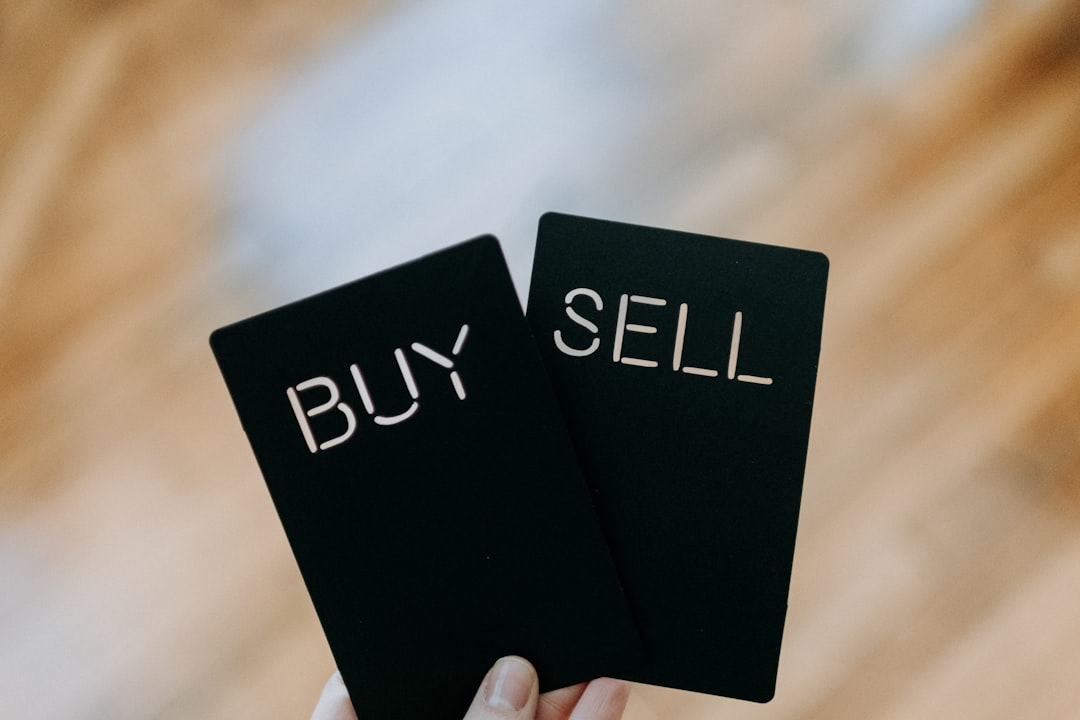

Pricing isn’t just math—it’s pure psychology wrapped in numbers. Consequently, businesses that understand human decision-making patterns consistently outperform competitors with superior products but poor pricing strategies.
1. Anchoring Sets the Mental Framework
Your first price creates an anchor that influences all subsequent price judgments. Therefore, always show your highest-priced option first when presenting choices.
Customers unconsciously use this initial number as a reference point for evaluating other options. Moreover, everything else seems more reasonable by comparison afterward.
Restaurants place expensive items at the top of menus deliberately using this principle. Subsequently, mid-priced items appear like better value even with healthy profit margins.
Never lead with your cheapest option because it anchors expectations too low. Instead, establish value perception before revealing more affordable alternatives.
2. The Power of Relative Pricing
People rarely know absolute value but excel at comparing relative options easily. Consequently, always give customers something to compare against when pricing your offers.
Create three pricing tiers even if most customers choose the middle option. Additionally, this structure makes decision-making feel easier and more confident.
| Tier | Features | Price | Purchase Rate |
|---|---|---|---|
| Basic | Core features only | $49 | 20% |
| Standard | Core + popular extras | $99 | 60% |
| Premium | Everything included | $199 | 20% |
The middle tier becomes your silent salesperson working 24/7 without commission. Furthermore, some customers upgrade to premium specifically because it exists as an option.
3. Charm Pricing Still Works Despite Awareness
Ending prices in 9 or 99 increases sales even though everyone knows the trick. Nevertheless, our brains process $19.99 as “in the teens” rather than essentially twenty dollars.
Research shows charm pricing can boost conversions by up to 24% in retail contexts. Moreover, this effect persists across cultures and demographic groups consistently.
However, luxury brands often use round numbers because they signal quality over value. Therefore, choose your pricing strategy based on your brand positioning deliberately.
For premium positioning, $200 feels more exclusive than $199 to your target audience. Meanwhile, value-focused businesses maximize volume with charm pricing effectively.
4. Payment Framing Changes Perceived Cost
$1,200 annually sounds expensive but $100 monthly feels manageable to most people. Consequently, breaking down costs into smaller increments dramatically improves conversion rates.
Emphasize “per day” costs for maximum impact on purchasing psychology powerfully. Additionally, “$3.29 per day” sounds trivial compared to “$1,200 per year” objectively.
Subscription models leverage this principle while also creating predictable recurring revenue streams. Furthermore, customers accept ongoing charges more readily than equivalent lump sums.
5. Context Determines Value Perception Completely
A $5 bottle of water seems outrageous at a grocery store but reasonable at an airport terminal. Therefore, context and circumstances dramatically affect what customers consider fair pricing.
Emphasize the problem you solve rather than focusing on product features exclusively. Moreover, pain-focused messaging justifies higher prices more effectively than feature lists.
Position your offer against alternatives customers currently use for solving their problem. Subsequently, your pricing appears reasonable compared to their current solution’s true cost.
Emergency services charge premium rates because customers value speed and availability highly. Meanwhile, commodity products compete primarily on price due to perceived equivalence.
6. Decoy Pricing Guides Decisions Strategically
Adding a strategically inferior option makes your preferred option look superior by comparison. Consequently, this “decoy effect” steers customers toward higher-margin products deliberately.
The decoy should be close in price to your target option but offer notably less value. Additionally, most customers won’t choose it but it influences their ultimate decision significantly.
| Option | Features | Price | Value Score |
|---|---|---|---|
| Basic | 10 features | $50 | Good |
| Pro (Decoy) | 12 features | $90 | Poor |
| Premium | 20 features | $100 | Excellent |
This technique works because our brains love identifying “good deals” through comparison shopping. Furthermore, the premium option suddenly appears like obvious value against the decoy.
7. Scarcity and Urgency Accelerate Decisions
Limited availability creates fear of missing out that overrides logical price evaluation. Therefore, genuine scarcity can justify premium pricing while accelerating purchase decisions.
However, artificial scarcity damages trust if customers detect manipulation tactics being used. Consequently, only use urgency that’s authentic and benefits customers genuinely.
Flash sales and limited-time offers capitalize on this psychological trigger effectively. Moreover, they create predictable revenue spikes when you need cash flow boosts.
8. Price Presentation Affects Perception Dramatically
Displaying “$100” creates different psychological impact than showing “one hundred dollars” written out. Additionally, removing currency symbols reduces pain of paying in customer minds.
Research shows that eliminating the dollar sign increases spending in restaurants measurably. Furthermore, shorter prices ($100 vs $100.00) feel smaller to our brains somehow.
Use larger fonts for value descriptions and smaller fonts for actual price numbers. Subsequently, customers focus more on benefits than cost during decision-making processes.
9. Bundling Increases Average Transaction Value
Offering packages costs less mentally than buying individual items separately for customers. Therefore, create bundles that deliver more value at attractive package pricing.
Customers struggle to calculate exact value of bundled offerings quickly in their heads. Moreover, this complexity makes your bundle pricing seem reasonable almost automatically.
Name your bundles descriptively rather than using generic tier labels like “Package A.” Additionally, creative naming increases perceived value and differentiation from competitors.
10. Free Offers Carry Disproportionate Psychological Weight
“Free” triggers emotional responses far beyond its monetary value in decision-making. Consequently, strategic free offers can drive behavior more effectively than equivalent discounts.
“Buy two, get one free” outperforms 33% off despite identical economics. Furthermore, the word “free” captures attention and generates excitement about the offer.
Free shipping thresholds encourage larger purchases to qualify for the benefit offered. Meanwhile, free trials convert better than money-back guarantees for subscription services.
11. Loss Aversion Outweighs Gain Seeking
People work harder to avoid losing $100 than to gain $100 psychologically. Therefore, frame offers as protecting against losses rather than creating gains whenever possible.
“Don’t miss out on saving $500” works better than “Save $500” in marketing copy. Additionally, emphasizing what customers lose by not buying increases conversion rates.
Money-back guarantees reduce purchase risk by eliminating potential loss from customer perspective. Moreover, refund rates typically stay low while conversions increase substantially.
12. Price Transparency Builds Trust Long-Term
Clear, straightforward pricing without hidden fees creates positive brand associations and customer trust. Consequently, transparent pricing often increases lifetime customer value despite potentially lower initial conversions.
Customers remember feeling tricked by surprise charges long after forgetting great deals. Furthermore, word-of-mouth suffers dramatically when pricing feels deceptive or manipulative.
Show total cost including fees upfront rather than revealing them at checkout. Subsequently, you’ll reduce cart abandonment and build sustainable business reputation.
Conclusion
Pricing psychology operates whether you leverage it intentionally or stumble through randomly. Therefore, strategic pricing becomes a competitive advantage that compounds over time.
Test different pricing approaches systematically and measure actual conversion rate changes. Moreover, small pricing adjustments often generate surprisingly large revenue impacts.
Your ideal pricing strategy combines multiple psychological principles working together harmoniously. Additionally, what works perfectly for competitors might fail for your specific audience.
Remember that pricing communicates value positioning as much as it generates revenue. Consequently, your prices tell a story about quality, exclusivity, and customer experience.
Implement these principles thoughtfully and watch your business metrics improve dramatically. The difference between mediocre and exceptional pricing is understanding human psychology fundamentally.