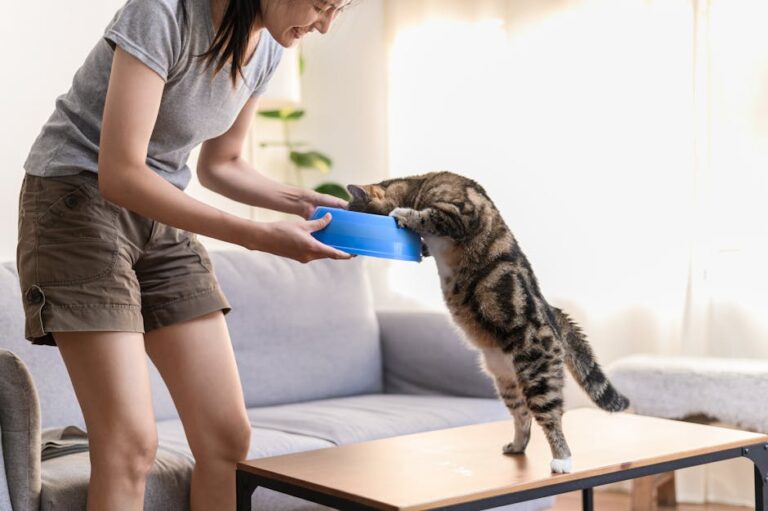

Boring backyards waste valuable enrichment opportunities for your pets daily. However, strategic modifications create engaging outdoor spaces requiring minimal investment.
1. Ensure Safety Before Everything
Beautiful backyards mean nothing if pets escape or encounter hazards. Therefore, securing perimeter and removing dangers takes absolute priority always.
Check fencing for gaps, weak points, or digging opportunities underneath. Moreover, determined pets find weaknesses you didn’t know existed requiring thorough inspection.
| Safety Element | Priority | Inspection Frequency | Common Issues |
|---|---|---|---|
| Fence integrity | Critical | Monthly | Rot, gaps, digging under |
| Toxic plants | Critical | Seasonally | New growth, fallen items |
| Sharp objects | High | Weekly | Debris, broken items |
| Pool safety | Critical | Daily | Open access, chemicals |
Remove toxic plants like lilies, azaleas, and sago palms completely. Additionally, research local poisonous plants ensuring yard safety year-round.
2. Create Multiple Activity Zones
Different areas for different activities prevent boredom while accommodating various moods. Consequently, zoning creates playground offering choices throughout days.
Digging zone, running area, shaded rest spot, and interactive play space serve different needs. Furthermore, designated zones prevent unwanted digging in flower beds.
Dogs especially appreciate having “allowed” digging area filled with sand or loose dirt. Meanwhile, hiding treats there encourages appropriate digging location use.
3. Add Shade and Shelter
Pets overheat quickly requiring multiple shaded rest areas throughout yard. Therefore, natural and artificial shade options protect during hot weather.
Trees provide ideal natural shade while tarps or pergolas offer alternatives. Moreover, moving shade throughout day requires multiple options for coverage.
Elevated beds keep pets off hot ground while allowing air circulation underneath. Additionally, cooling mats provide extra comfort during extreme heat.
4. Install Agility and Obstacle Equipment
Agility obstacles provide physical and mental exercise even without formal training. Consequently, jumps, tunnels, and weave poles create engaging playground features.
DIY options using PVC pipe, hula hoops, and cones cost minimal amounts. Furthermore, homemade equipment works as effectively as expensive commercial versions.
| Equipment Type | DIY Cost | Commercial Cost | Exercise Value | Space Needed |
|---|---|---|---|---|
| Jump bars | $10-20 | $50-100 | High | Small |
| Tunnels | $30-50 | $80-150 | Very High | Medium |
| Weave poles | $20-30 | $60-120 | High | Medium |
| A-frame | $50-100 | $200-400 | Very High | Large |
Start with basic obstacles expanding as pets show interest and capability. Meanwhile, rotating equipment placement maintains novelty preventing boredom.
5. Build Sensory Gardens
Plants providing interesting smells, textures, and sounds create enrichment naturally. Therefore, pet-safe sensory gardens engage multiple senses simultaneously.
Ornamental grasses rustle providing auditory interest while safe to investigate. Moreover, herbs like mint or rosemary provide scent enrichment dogs enjoy.
Different ground textures from gravel to mulch to grass offer tactile variety. Additionally, these surfaces engage paws while providing sensory experiences.
6. Create Water Features
Many pets love water making fountains or pools excellent backyard additions. Consequently, water features provide drinking sources plus entertainment simultaneously.
Shallow kiddie pools let dogs cool off during summer heat safely. Furthermore, regularly refreshing water maintains hygiene preventing disease transmission.
Running fountains attract pets more than still water bowls encouraging hydration. Meanwhile, sound of moving water provides auditory enrichment even from distance.
7. Design Sniffing Trails
Dedicated sniffing paths with interesting smells engage dogs’ primary sense fully. Therefore, creating scent trails provides mental stimulation during backyard time.
Sprinkle treats along paths or rub interesting scents on posts and features. Moreover, changing routes and scents prevents habituation maintaining engagement.
Natural decomposition of leaves and plant material creates ever-changing scent landscapes. Additionally, this passive enrichment requires zero ongoing effort from you.
8. Add Elevated Perches
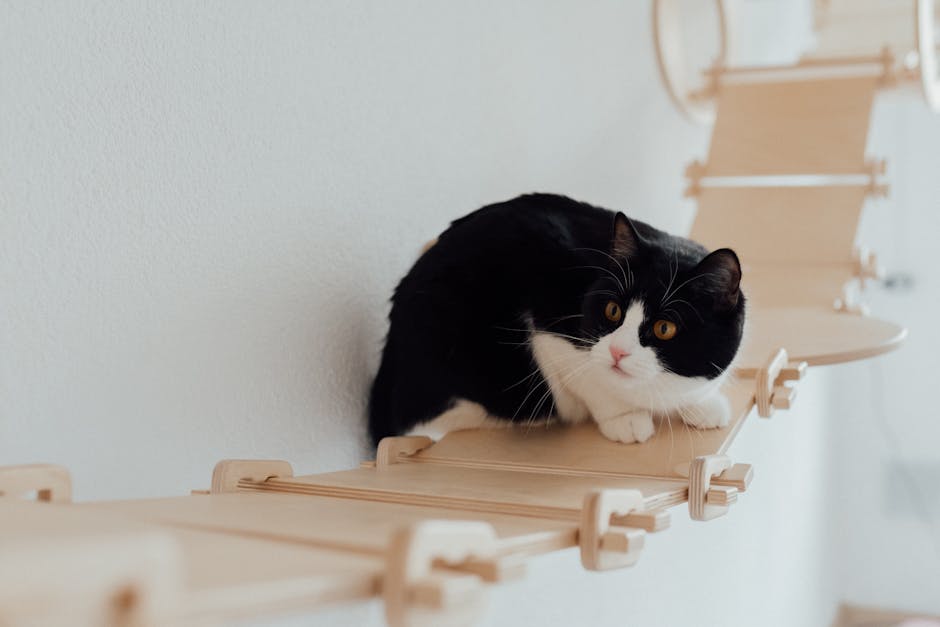
Cats and some dogs enjoy surveying territory from elevated vantage points. Consequently, platforms, benches, or climbing structures satisfy these instincts.
Secure sturdy shelves at various heights creating climbing opportunities for cats. Furthermore, outdoor perches let indoor cats experience outside safely.
| Perch Type | Height Options | Stability Needed | Best For |
|---|---|---|---|
| Ground-level platforms | 1-2 feet | Medium | All pets |
| Mid-level shelves | 3-5 feet | High | Cats, small dogs |
| High observation posts | 6+ feet | Very High | Cats only |
Shaded elevated spots become favorite lounging locations during pleasant weather. Meanwhile, supervision ensures safety until you’re confident in structure stability.
9. Install Interactive Toys
Permanent outdoor toys provide entertainment without requiring your constant involvement. Therefore, spring poles, puzzle feeders, and treat dispensers offer independent play.
Spring poles let strong dogs tug safely expending energy through appropriate outlet. Moreover, this equipment satisfies pulling instinct preventing unwanted behaviors.
Mounting treat-dispensing toys to fences or posts creates puzzle-solving challenges. Additionally, rotating which toys are available prevents boredom with same options.
10. Create Digging and Scratching Spots
Providing appropriate outlets prevents destructive behavior in unwanted areas. Consequently, designated digging zones and scratching posts redirect natural behaviors.
Sandbox or loose dirt area lets dogs dig without destroying landscaping. Furthermore, burying toys or treats there encourages using the designated area.
Outdoor scratching posts satisfy cats’ need to mark territory appropriately. Meanwhile, placing posts strategically near entry points maximizes their use.
11. Build Social Spaces
Areas where you comfortably spend time encourage shared backyard experiences. Therefore, seating that accommodates both you and pets facilitates bonding.
Benches, hammocks, or outdoor furniture positioned near pet activity zones enable supervision. Moreover, your presence often motivates pets to engage with playground features.
Creating comfortable human spaces makes you more likely to spend time outside with pets. Additionally, this shared time strengthens your bond through parallel activities.
12. Maintain and Rotate Features
Regular maintenance ensures safety while rotating features maintains novelty and interest. Therefore, weekly inspections catch problems before they cause injuries.
Move equipment to different locations every few weeks creating “new” playground. Furthermore, this rotation engages curiosity about familiar items in novel positions.
| Maintenance Task | Frequency | Importance | Time Required |
|---|---|---|---|
| Safety inspection | Weekly | Critical | 15 minutes |
| Cleaning water features | Daily-Weekly | High | 10 minutes |
| Equipment rotation | Monthly | Medium | 30 minutes |
| Landscaping upkeep | As needed | High | Variable |
Seasonal changes require different preparations from winter weatherproofing to summer cooling. Meanwhile, adapting playground to seasons maintains year-round engagement.
Conclusion
Backyard playgrounds dramatically improve pets’ daily quality of life and enrichment. However, safety and maintenance ensure these spaces remain beneficial long-term.
Start with one modification this weekend building gradually over time. Moreover, observing which features your pets prefer guides future additions.
Remember that creativity matters more than spending significant money on playground. Therefore, DIY solutions often engage pets as well as expensive commercial options.
Your pets spend significant time in your backyard deserving engaging space. Additionally, enriched outdoor time reduces indoor behavior problems substantially.
Begin transforming your backyard into pet paradise today with small changes. The joy and health benefits your pets gain justify every improvement.