
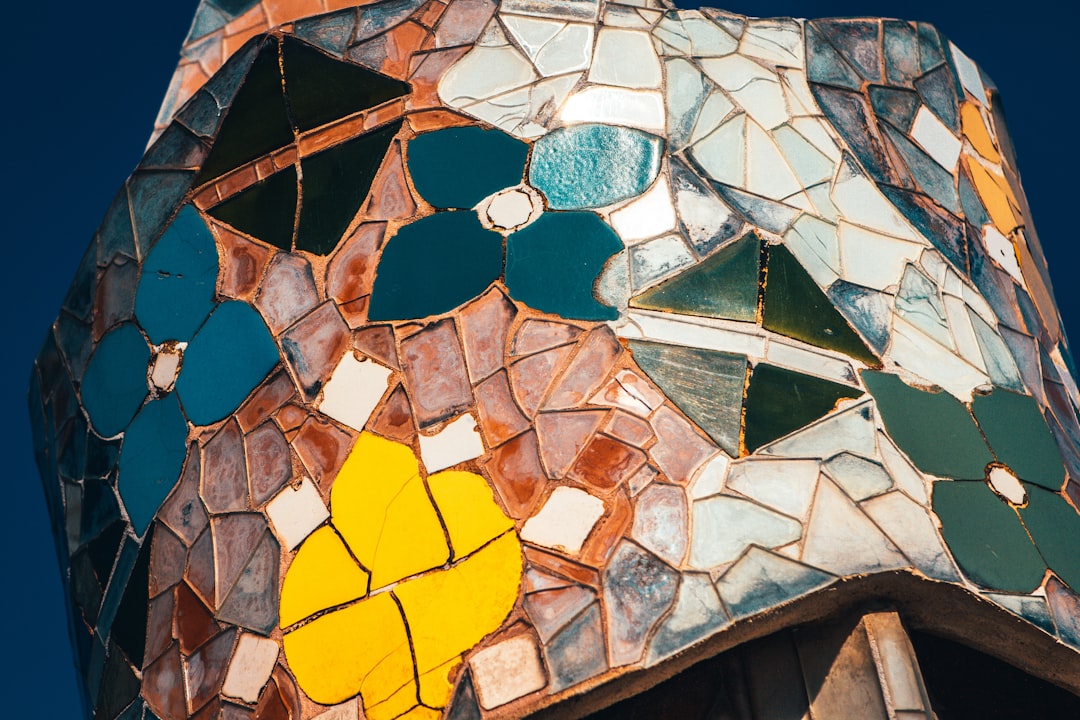

That shattered plate from your grandmother’s china set doesn’t have to end up in the trash. Broken ceramics hold untapped potential for stunning mosaic art that transforms everyday objects into personalized treasures. This ancient art form requires minimal investment but delivers maximum creative satisfaction.
The Beauty in Broken Things
Mosaics celebrate imperfection. Each crack, each irregular edge, each unique glaze pattern contributes to the final masterpiece. What seems like a disaster—a dropped mug, a chipped vase—becomes raw material for something entirely new and often more beautiful than the original.
The psychological shift from seeing breakage as loss to viewing it as opportunity changes your entire relationship with household accidents. Suddenly, that clumsy moment becomes the beginning of your next project.
Gathering Your Materials
Start collecting broken ceramics with intention. That cracked bowl, the plate with a chip, the tile from your last renovation—all become your palette. Different colors, patterns, and textures expand your creative options.
Don’t limit yourself to accidental breaks. Thrift stores overflow with inexpensive plates and tiles perfect for intentional breaking. A $2 patterned plate yields enough pieces for multiple projects. Yard sales often feature boxes of mismatched dishes sold for pennies.
Essential Tools and Workspace Setup
Your toolkit needs just a few basics: tile nippers for precise cuts, safety glasses (non-negotiable), heavy-duty gloves, and a sturdy work surface covered with old towels. A hammer wrapped in a towel safely breaks larger pieces into workable sizes.
Adhesive choice depends on your project. Tile adhesive works for outdoor pieces, while strong craft glue suits indoor projects. Grout comes in numerous colors, allowing you to match or contrast with your ceramic pieces for different effects.
Breaking Ceramics Safely and Strategically
Safety comes first. Wrap ceramics in an old towel before breaking them—this contains flying shards and muffles the sound. Wear safety glasses even with this precaution. Sharp ceramic edges demand respect.
Breaking technique affects your final pieces. Gentle taps create larger chunks ideal for statement pieces. Harder strikes produce smaller fragments perfect for detailed work. Experiment to discover what sizes work best for your vision.
Design Planning Without Overthinking
Sketch your design roughly, but stay flexible. Mosaic work reveals its direction as you go. Rigid planning often leads to frustration when pieces don’t fit as imagined. Trust the process and let the ceramics guide you.
Lay out pieces without adhesive first. This dry run lets you adjust placement, swap colors, and refine your vision. Take photos at this stage—they serve as references once you start permanent placement.
Beginner-Friendly Projects That Impress
Flower pots make ideal first projects. Their simple cylindrical shape forgives imperfect placement while delivering impressive results. Coat the exterior with adhesive, press ceramic pieces in place, and watch a plain terracotta pot transform into garden art.
Picture frames offer another accessible starting point. The flat surface simplifies placement, and the border naturally contains your design. A mosaic frame turns any photo into a statement piece worthy of prominent display.
Intermediate Techniques for Growing Skills
As confidence builds, tackle tabletops or stepping stones. These larger surfaces let you experiment with complex patterns and color gradients. The extra space allows for detailed images or abstract designs limited only by imagination.
Consider texture variation beyond just color. Mixing glossy and matte finishes creates depth. Combining different ceramic thicknesses adds dimensionality. These subtle choices elevate work from craft to art.
The Grout Process: Where Magic Happens
Grouting represents the transformation moment. Those scattered ceramic pieces suddenly unify into a cohesive whole. Choose grout colors carefully—light grout showcases individual pieces, while dark grout creates dramatic contrast and makes colors pop.
Apply grout liberally with a rubber float, pushing it into every gap. Work in small sections to prevent premature drying. Wipe excess with a damp sponge, repeatedly rinsing to clean ceramic surfaces without removing grout from joints.
Finishing Touches and Sealing
After grout dries completely (typically 24-48 hours), a final cleaning with a dry cloth removes remaining haze. For outdoor projects or surfaces that handle moisture, apply grout sealer to prevent water damage and staining.
Consider the project’s purpose when finishing. Tabletops benefit from clear epoxy coating for durability and easy cleaning. Wall art needs only careful mounting. Functionality and aesthetics should work together.
Creative Applications Beyond the Obvious
House numbers become neighborhood landmarks when rendered in mosaic on your wall or mailbox. Garden markers identify plant varieties with personality. Switch plates transform from utilitarian necessities into tiny works of art throughout your home.
Mirrors surrounded by mosaic borders create stunning focal points. Old furniture—side tables, chairs, headboards—gain new life with mosaic surfaces. The technique adapts to virtually any stable surface you imagine.
Troubleshooting Common Challenges
Pieces won’t stick? Your adhesive might be too old or your surface too dusty. Clean surfaces thoroughly and use fresh adhesive. For porous surfaces like wood, seal them first to prevent adhesive absorption.
Grout cracking indicates either too much water in your mix or inadequate drying time between steps. Follow package directions precisely and resist the urge to rush. Patience pays dividends in durability.
Building Your Mosaic Practice
Like any craft, mosaic work improves with repetition. Early projects teach basic techniques. Later projects refine your aesthetic sense and technical precision. Document your progression—you’ll be amazed at how quickly skills develop.
Join online mosaic communities for inspiration and troubleshooting help. Seeing others’ work expands your conception of what’s possible. Sharing your creations connects you with fellow artists who understand the satisfaction of transforming broken pieces into beauty.
The Deeper Satisfaction
Mosaic work offers more than just decorative results. The meditative rhythm of placing pieces, the problem-solving required to fit shapes together, the anticipation of the final reveal—these process elements provide satisfaction independent of outcomes.
There’s profound metaphor in taking broken things and creating something whole and beautiful. Each project reminds us that damage doesn’t mean worthless, that fragments can form new patterns, that endings can become beginnings.
Your broken ceramics aren’t trash—they’re opportunities waiting to be reimagined. Each chip, crack, and shatter holds potential for transformation. Pick up those pieces and start creating.