
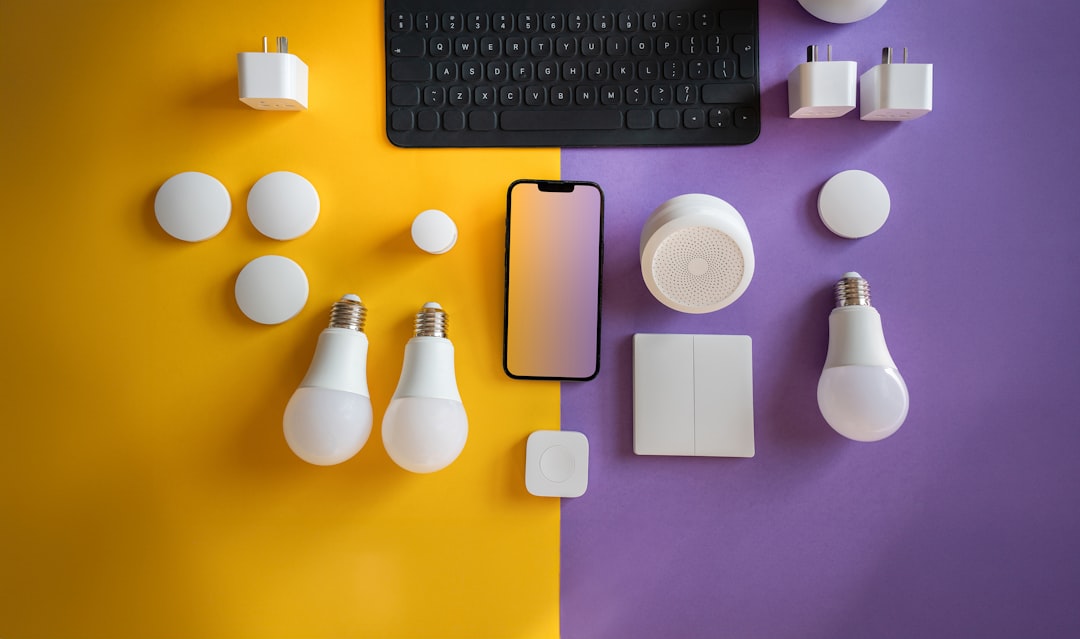

The dream of a fully automated smart home doesn’t have to come with a luxury price tag. With strategic planning and some clever DIY solutions, you can transform your living space into an intelligent, responsive environment without emptying your wallet.
Start With What Matters Most
Before diving into purchases, identify which aspects of your daily routine would benefit most from automation. Do you constantly forget to turn off lights? Is adjusting the thermostat a daily hassle? Focus your budget on solving real problems rather than chasing gadgets.
The beauty of starting small is that you can expand gradually. A single smart plug costs less than a coffee, yet it can automate lamps, fans, or chargers. Begin with 2-3 smart plugs in high-traffic areas and watch how they change your routine.
The Foundation: Choose Your Ecosystem Wisely
Your choice of smart home platform will determine your future options and costs. Google Home and Amazon Alexa offer the most affordable entry points, with basic hubs often available for under $30 during sales. These platforms support thousands of third-party devices, giving you flexibility as you expand.
The key is commitment. Pick one ecosystem and stick with it. Mixing platforms leads to compatibility headaches and unnecessarily complicated setups that defeat the purpose of simplification.
Lighting: Your First Major Impact
Smart lighting delivers the most dramatic transformation for your investment. Skip the expensive starter kits and opt for individual smart bulbs in your most-used rooms. A smart bulb in the bedroom, living room, and kitchen creates an impressive foundation.
Better yet, combine regular LED bulbs with smart switches. This approach costs less per room and controls multiple lights simultaneously. You maintain the convenience of physical switches while gaining voice and app control.
Temperature Control Without the Premium Price
Smart thermostats typically cost $200-300, but alternatives exist. Smart plugs paired with space heaters or fans provide zone-based climate control for a fraction of the cost. Program them to run before you wake up or return home, creating comfort without constant manual adjustment.
For central heating and cooling, consider generic smart thermostat brands that offer 80% of premium features at 40% of the cost. The annual energy savings often pay for the device within the first year.
Security on a Budget
Professional security systems charge monthly fees that add up quickly. Instead, combine affordable components into a custom solution. A $30 smart doorbell camera, $20 motion sensor lights, and $15 window sensors create a robust security layer for under $100.
Many budget security cameras now offer cloud storage options or local SD card recording, eliminating monthly fees. Position them strategically at entry points and you’ll have coverage that rivals expensive systems.
Voice Control: The Game Changer
A budget smart speaker transforms your collection of individual smart devices into a cohesive system. Voice commands eliminate the need to fumble with apps for every adjustment. “Turn off all lights” or “set bedroom to 68 degrees” become second nature.
Look for previous-generation speakers during new model launches. Last year’s Echo or Google Home performs nearly identically to current versions but costs significantly less.
Automation Routines: Where the Magic Happens
The real smart home experience comes from automation routines that require no input at all. Morning routines that gradually brighten lights, adjust temperature, and start your coffee maker transform groggy mornings into smooth transitions.
Evening routines that lock doors, dim lights, and adjust thermostats happen automatically at sunset. You’re not just controlling devices remotely—you’re creating an environment that anticipates your needs.
DIY Integration Projects
For the adventurous, platforms like Home Assistant or OpenHAB offer incredible power at zero cost. These open-source solutions run on a Raspberry Pi (about $50) and integrate virtually any smart device, regardless of manufacturer.
The learning curve is steeper, but the payoff is complete customization and no reliance on cloud services. Your smart home remains functional even if companies discontinue support for older devices.
Strategic Shopping and Timing
Black Friday, Prime Day, and holiday sales regularly discount smart home devices by 40-60%. Build your wishlist and wait for these events. Join deal-tracking communities that alert members to flash sales and price drops.
Refurbished devices from reputable sellers offer another avenue for savings. Manufacturer refurbished items typically come with warranties and function identically to new products.
Avoid These Common Money Traps
Resist the temptation to buy every new gadget. Smart trash cans, egg trays, and toothbrush holders rarely justify their cost. Stick to devices that solve actual problems or provide meaningful convenience.
Similarly, avoid proprietary ecosystems that lock you into expensive upgrade paths. Choose devices that work with multiple platforms, protecting your investment if you later switch ecosystems.
Maintain and Expand Thoughtfully
As your system grows, document your setup. Note which devices control what and how your routines function. This prevents confusion and helps troubleshoot issues without starting over.
Expand your system one room or function at a time, ensuring each addition integrates smoothly before moving forward. Rushing leads to a disjointed collection of devices rather than a cohesive smart home.
The Long-Term Payoff
Beyond convenience, smart home automation delivers tangible savings. Automated lighting and climate control reduce energy bills. Scheduling devices to run during off-peak hours takes advantage of time-of-use electricity rates where available.
More importantly, you’re building skills and knowledge that transfer to future technologies. Understanding automation principles prepares you for the increasingly connected world we’re moving toward.
Your budget smart home might start humble, but with patience and strategic choices, it will evolve into a sophisticated system that rivals expensive professional installations—all while keeping your budget intact.