

The cleaning products lining store shelves promise miracles but deliver harsh chemicals, excessive plastic waste, and inflated prices. Your kitchen pantry already contains powerful cleaning agents that work as effectively as commercial products—without the toxic residue or environmental guilt.
Why Natural Cleaning Matters
Conventional cleaning products release volatile organic compounds that linger in indoor air long after use. These chemicals accumulate in your body over time and contribute to respiratory issues, skin irritation, and hormonal disruption. Children and pets, who spend more time close to cleaned floors and surfaces, face even greater exposure.
Beyond health concerns, commercial cleaners generate tremendous plastic waste. Most bottles get used once and discarded. Creating your own cleaners eliminates this cycle while saving substantial money. The average household spends $600 annually on cleaning products that can be replaced with $50 worth of natural ingredients.
The Core Five Ingredients
Your natural cleaning arsenal builds from five simple ingredients: white vinegar, baking soda, castile soap, lemon juice, and essential oils. These pantry staples handle virtually every cleaning task in your home. Each brings specific properties that target different types of dirt and grime.
White vinegar cuts grease, dissolves mineral deposits, and eliminates odors. Baking soda provides gentle abrasion, deodorizes, and reacts with acids to create fizzing action that loosens stuck-on messes. Castile soap, made from vegetable oils, cuts through dirt without harsh detergents. Lemon juice bleaches stains naturally while adding fresh scent. Essential oils contribute antimicrobial properties and pleasant aromas.
All-Purpose Surface Cleaner
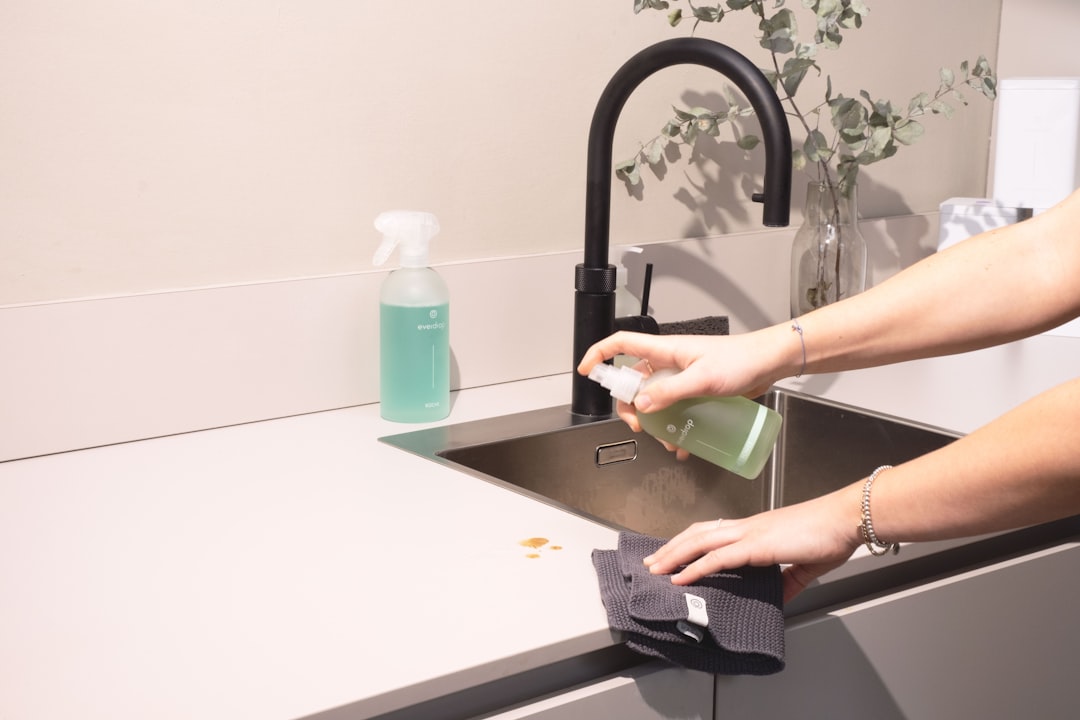
This workhorse formula handles countertops, appliances, walls, and most hard surfaces. Mix equal parts water and white vinegar in a spray bottle. Add 10-15 drops of essential oil—tea tree for antimicrobial power, lavender for calming scent, or lemon for freshness.
The vinegar smell dissipates quickly as surfaces dry, leaving only your chosen essential oil aroma. This cleaner costs pennies per bottle compared to $4-6 for commercial equivalents. Make it in batches and you’ll never run out.
Heavy-Duty Scrubbing Paste
When surfaces need serious scrubbing power, combine baking soda with just enough water to form a thick paste. This gentle abrasive tackles soap scum, baked-on food, and stubborn stains without scratching surfaces. Add a few drops of dish soap for extra grease-cutting ability.
For tougher jobs, let the paste sit for 15-20 minutes before scrubbing. The baking soda penetrates and loosens grime, making removal effortless. Use this on sinks, tubs, stovetops, and oven interiors. Rinse thoroughly and surfaces gleam without chemical residue.
Glass and Mirror Perfection
Achieve streak-free shine with a simple mixture: one part white vinegar to four parts water. Spray onto glass surfaces and wipe with crumpled newspaper or microfiber cloths. The newspaper method, though old-fashioned, truly delivers superior results to paper towels.
For extremely dirty windows, wash first with soapy water, rinse, then follow with the vinegar solution. This two-step process removes built-up grime that single-step cleaners leave behind. Your windows will sparkle like never before.
Floor Cleaning Solutions
Different flooring requires different approaches. For tile and vinyl, mix a quarter cup of white vinegar with a gallon of warm water. Add a few drops of essential oil if desired. This solution cleans effectively without leaving sticky residue that attracts dirt.
Hardwood floors need gentler treatment. Use a barely damp mop with just a splash of castile soap in warm water. Excess water damages wood, so wring your mop thoroughly. The castile soap cleans without dulling the finish or leaving buildup.
Bathroom Deep Clean Formula
Bathrooms demand powerful cleaning to combat soap scum, hard water stains, and mildew. Spray surfaces with straight white vinegar and let sit for 10 minutes. The acid breaks down mineral deposits and soap residue. Follow with the baking soda paste for scrubbing power.
For toilet bowls, pour one cup of baking soda followed by two cups of vinegar. The fizzing action cleans and deodorizes. Let it sit for 30 minutes, then scrub and flush. This combination handles what expensive toilet cleaners promise but rarely deliver.
Kitchen Grease Fighter
Kitchen grease requires cutting power. Mix two tablespoons of castile soap with two cups of warm water and one tablespoon of baking soda. Spray on greasy stovetops, range hoods, and backsplashes. Let it sit briefly, then wipe clean.
For baked-on oven messes, make a paste from baking soda and water. Coat oven interior and let sit overnight. The extended contact time dissolves even stubborn carbonized food. Wipe away in the morning and rinse thoroughly. Your oven looks factory-fresh without toxic fumes.
Laundry Room Essentials
Replace detergent with a simple mixture: one cup of washing soda, one cup of borax, and one bar of grated castile soap. Mix thoroughly and store in an airtight container. Use two tablespoons per load. This formula cleans clothes effectively while costing a fraction of commercial detergents.
Add half a cup of white vinegar to the rinse cycle as a natural fabric softener. It eliminates detergent residue, softens fabrics, and removes odors. Your clothes come out fresh without the chemical cocktail of conventional fabric softeners.
Disinfecting Without Bleach
White vinegar kills 80% of germs and bacteria naturally. For even stronger antimicrobial action, use hydrogen peroxide. Keep it in its original brown bottle since light degrades its effectiveness. Spray surfaces with vinegar, then follow with hydrogen peroxide. This one-two punch rivals bleach without the toxicity.
Essential oils like tea tree, eucalyptus, and thyme possess natural antimicrobial properties. Adding these to cleaning solutions boosts their disinfecting power while providing pleasant aromas that make cleaning more enjoyable.
Storage and Organization
Store cleaning solutions in glass spray bottles when possible. Glass doesn’t interact with ingredients and lasts indefinitely. Label each bottle clearly with contents and date. Most solutions remain effective for months, though fresh batches ensure maximum potency.
Keep your core ingredients in a dedicated cleaning caddy. Having everything together streamlines the mixing process and makes cleaning more efficient. You’ll spend less time searching for supplies and more time actually cleaning.
Cost Comparison Reality Check
A gallon of white vinegar costs around $3 and makes dozens of batches of cleaner. A box of baking soda runs $1 and handles countless cleaning tasks. Compare this to spending $4-8 per bottle of specialized cleaner. The savings compound quickly, especially for large households that clean frequently.
Beyond direct savings, natural cleaners eliminate the need for different products for every surface. Your simplified arsenal replaces a cabinet full of specialized bottles, saving both money and storage space.
The Learning Curve
Transitioning to natural cleaners requires adjusting expectations. These solutions work differently than chemical cleaners. They may require more physical scrubbing or longer contact time, but they achieve the same results without harmful side effects.
Give each formula a fair trial. What seems less effective initially often proves superior once you master the technique. The satisfaction of cleaning your home with simple, safe ingredients far outweighs the minor learning curve.
Beyond Cleaning: A Lifestyle Shift
Creating your own cleaners often sparks broader changes. You become more aware of what enters your home and your body. This consciousness extends to other purchasing decisions, creating a ripple effect toward more intentional, sustainable living.
Your natural cleaning arsenal represents more than just clean surfaces. It’s a declaration of independence from corporations that profit from creating dependency. It’s a commitment to health, environment, and financial wisdom. It’s taking control of your home in the most fundamental way possible.