
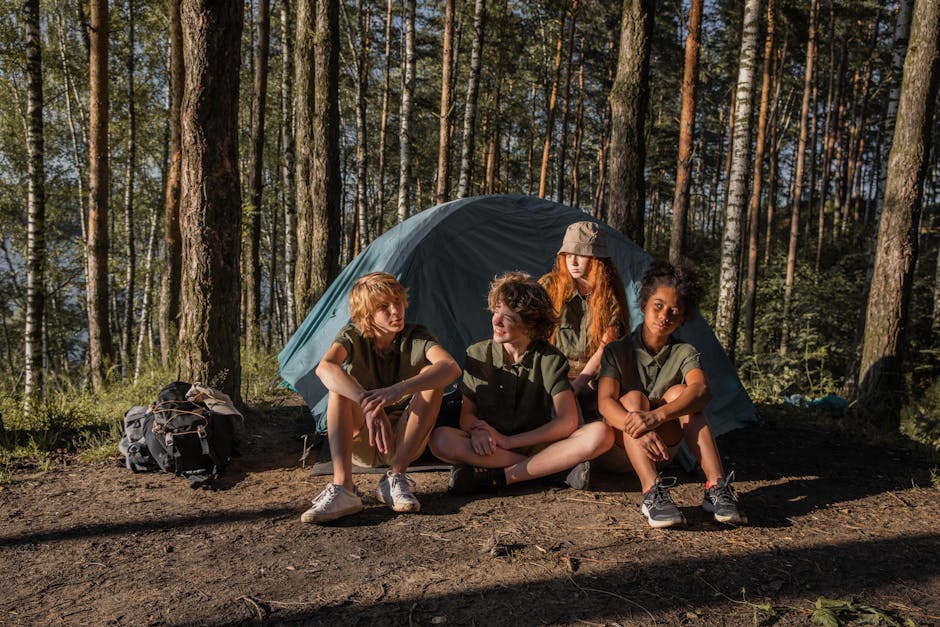

Routine crushes family spirit while adventure creates lasting bonds and memories. However, meaningful adventures don’t require expensive trips or elaborate planning.
1. Understand Adventure’s Bonding Power
Shared novel experiences create stronger memories than repeated familiar activities. Therefore, monthly adventure days build family connection beyond regular routines.
Novel experiences activate reward centers in brain strengthening emotional bonds. Moreover, conquering challenges together creates unity impossible during normal activities.
| Activity Type | Memory Strength | Bonding Effect | Cost Required |
|---|---|---|---|
| Daily routines | Low | Low | Minimal |
| Weekly activities | Medium | Medium | Low-Medium |
| Monthly adventures | Very High | Very High | Variable |
| Annual trips | High | High | High |
Adventure breaks monotony creating anticipation and stories that endure years. Additionally, these experiences become family lore referenced repeatedly.
2. Define Adventure Broadly
Adventure doesn’t require extreme activities or distant destinations necessarily. Instead, adventure means novel experiences outside comfort zones together.
Trying new restaurant, exploring unfamiliar neighborhood, or learning new skill together qualifies. Furthermore, novelty matters more than intensity for creating memorable experiences.
Even local adventures feel exciting when approached with curiosity and openness. Meanwhile, mindset transforms ordinary outings into genuine adventures.
3. Let Kids Drive Some Planning
Children invest more in adventures they help plan creating ownership. Consequently, involving them in decision-making increases engagement and excitement.
Give age-appropriate choices about destinations or activities within parameters. Moreover, their investment makes the day special beyond just what you do.
Rotate which family member plans each month’s adventure distributing ownership. Additionally, this rotation teaches planning while honoring everyone’s interests.
4. Start With Micro-Adventures
Full-day adventures might feel overwhelming initially requiring gradual progression. Therefore, begin with 2-3 hour micro-adventures building confidence and habit.
Morning hike followed by new breakfast spot creates adventure without exhaustion. Furthermore, shorter adventures succeed more reliably than ambitious full-day plans.
Success with small adventures builds enthusiasm for longer future explorations. Meanwhile, manageable timeframes reduce resistance from reluctant family members.
5. Embrace the “Yes Day” Concept
Occasional days where kids make most decisions creates extraordinary experiences. Consequently, within reasonable limits, following their agenda builds special memories.
Set budget and safety boundaries then let children plan the day. Moreover, this freedom creates ownership they don’t experience during parent-directed activities.
| Yes Day Element | Kid Empowerment | Parent Comfort | Memory Impact |
|---|---|---|---|
| All decisions theirs | Very High | Low | Very High |
| Guided choices | Medium | High | Medium |
| Parent-planned | None | Very High | Medium |
Surprising them with occasional yes days makes them feel heard and valued. Additionally, these days become stories they retell for years.
6. Create Adventure Challenges
Setting specific challenges transforms ordinary outings into exciting quests. Therefore, scavenger hunts or photo challenges add layers to simple adventures.
“Find something blue in every place we visit” creates focused engagement. Furthermore, these challenges appeal to children’s natural love of games.
Challenges also work for reluctant adventurers giving them specific purpose. Meanwhile, completion creates satisfaction beyond just experiencing new places.
7. Document Adventures Together
Creating adventure book or scrapbook preserves memories while providing creative activity. Consequently, documenting becomes part of the adventure itself.
Let children draw pictures, write entries, or choose photos for the book. Moreover, their perspective captures what mattered most to them specifically.
Review adventure book periodically reliving experiences and planning future ones. Additionally, this review reinforces memories preventing them from fading.
8. Mix Free and Paid Adventures
Budget limitations shouldn’t prevent regular adventure days entirely. Therefore, alternating expensive and free adventures maintains consistency.
Free adventures like nature exploration, city walking tours, or beach days work wonderfully. Furthermore, these options often engage children as well as paid activities.
Save money from free adventure months for occasional splurge adventures. Meanwhile, this balance makes special paid activities feel even more significant.
9. Invite Extended Family Sometimes
Grandparents, cousins, or close friends joining adventures creates different dynamic. Consequently, occasional expanded adventures build extended family relationships.
Children see relatives in new contexts during adventures versus typical visits. Moreover, shared experiences strengthen bonds beyond just existing proximity.
| Adventure Composition | Bonding Benefit | Logistics | Cost Impact |
|---|---|---|---|
| Nuclear family only | High | Simple | Standard |
| Plus grandparents | Very High | Medium | Higher |
| Multiple families | High | Complex | Lower per family |
However, maintain most adventures as immediate family preserving special connection. Additionally, too much external company dilutes the family bonding benefit.
10. Accept Imperfection Gracefully
Plans fail, weather changes, someone gets cranky—adventures rarely proceed perfectly. Therefore, flexibility and humor transform disasters into memorable stories.
The adventure where everything went wrong often becomes favorite retelling. Furthermore, handling mishaps together teaches resilience and problem-solving.
Model positive attitude when plans change teaching adaptability through example. Meanwhile, stress about perfection ruins the connection adventures should create.
11. Establish Pre and Post Rituals
Adventure day rituals create anticipation beforehand and processing afterward. Consequently, these bookend practices extend the adventure’s impact.
Morning of adventure, create special breakfast or let kids choose the music. Moreover, these rituals signal that today differs from normal days.
Evening after, share favorite moments and add to adventure book together. Additionally, this reflection cements memories and lessons learned.
12. Build Adventure Progressively
Start with comfortable nearby adventures then gradually increase difficulty and distance. Therefore, building confidence prevents overwhelming reluctant family members.
Success with local adventures creates enthusiasm for bigger challenges. Furthermore, this progression respects comfort zones while gently expanding them.
| Adventure Progression | Comfort Stretch | Skills Built | Recommended Pace |
|---|---|---|---|
| Neighborhood exploration | Minimal | Basic | Month 1-2 |
| Local attractions | Small | Moderate | Month 3-6 |
| Day trips | Medium | Significant | Month 6-12 |
| Overnight adventures | Large | Advanced | After year one |
Track adventures completed creating visible progress motivating future exploration. Meanwhile, the list itself becomes source of family pride.
Conclusion
Family adventure days create connection impossible through routine activities alone. However, these experiences require prioritization amid busy schedules and commitments.
Schedule your first family adventure day this month choosing something simple. Moreover, starting immediately matters more than waiting for perfect conditions.
Remember that adventures build family culture and resilience over time. Therefore, consistency matters more than any individual adventure’s perfection.
Your children will remember these adventures long after forgetting normal weekends. Additionally, the bonds formed during challenges strengthen entire family relationships.
Start your family adventure tradition today with one monthly commitment. The memories and connection you’ll create justify every moment invested.