
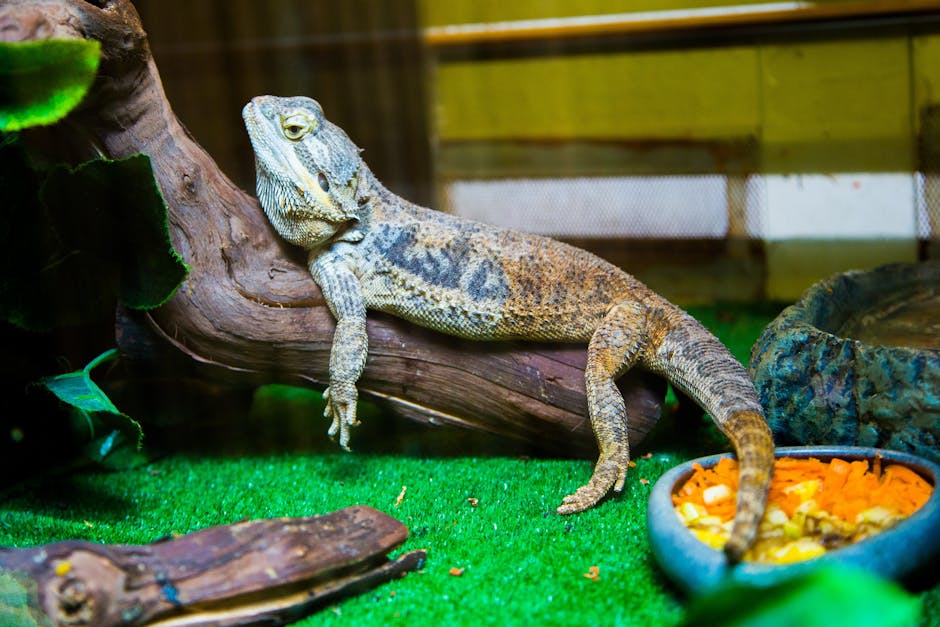

Bored pets develop behavioral problems while enriched pets thrive mentally and physically. However, providing stimulation doesn’t require expensive toys or elaborate setups.
1. Understand Enrichment’s Critical Importance
Mental stimulation matters as much as physical exercise for pet wellbeing. Therefore, enrichment prevents destructive behavior, anxiety, and depression in pets.
Wild animals spend most waking hours hunting, exploring, and problem-solving. Moreover, domestic pets need similar cognitive challenges despite easier lives.
| Enrichment Level | Behavior Quality | Health Impact | Cost Required |
|---|---|---|---|
| None | Poor, destructive | Declining | N/A |
| Minimal | Fair | Maintained | Very Low |
| Moderate | Good | Improving | Low |
| Excellent | Excellent | Optimal | Low-Medium |
Enriched pets sleep better, stress less, and live longer than bored pets. Additionally, the behavior improvements alone justify the minimal investment required.
2. Leverage Free Food Puzzle Solutions
Using food bowls wastes daily enrichment opportunity costing nothing to improve. Consequently, making pets work for meals provides mental stimulation naturally.
Scatter kibble in grass making dogs hunt for breakfast like their ancestors. Furthermore, this activity engages natural foraging instincts while slowing eating.
Hide treats around house creating scavenger hunts for dogs or cats. Meanwhile, this game provides exercise plus problem-solving in one activity.
3. Rotate Toys Strategically
Having all toys available constantly reduces their novelty and interest level. Therefore, rotating toys weekly makes old toys feel new again.
Keep only 3-4 toys accessible while storing others out of sight. Moreover, reintroducing stored toys creates excitement as if they’re brand new.
This rotation strategy costs nothing while dramatically increasing engagement with existing toys. Additionally, fewer options at once reduces overwhelming choice paralysis.
4. Create DIY Puzzle Feeders
Commercial puzzle feeders cost $20-50 but DIY versions work identically for free. Consequently, household items become engaging feeding challenges easily.
Muffin tin with tennis balls covering kibble-filled cups creates simple puzzle. Furthermore, cardboard boxes with holes cut become treat dispensers instantly.
| DIY Puzzle Type | Difficulty Level | Cost | Time to Make |
|---|---|---|---|
| Muffin tin puzzle | Easy | Free | 2 minutes |
| Cardboard box maze | Medium | Free | 10 minutes |
| Toilet paper roll treats | Easy | Free | 5 minutes |
| Water bottle dispenser | Medium | Free | 15 minutes |
Toilet paper rolls stuffed with treats and ends folded provide brief challenge. Meanwhile, these disposable puzzles offer variety without storage issues.
5. Use Sniff Walks for Dogs
Walking isn’t just exercise—sniffing provides crucial mental enrichment for dogs. Therefore, allowing dedicated sniffing time engages their primary sense fully.
Let them sniff extensively rather than rushing through walks for distance. Moreover, mental stimulation from sniffing tires dogs more than physical exercise alone.
Vary walking routes providing new smells and environments regularly. Additionally, novel locations offer more enrichment than familiar repeated paths.
6. Build Cardboard Box Kingdoms
Cats especially love cardboard boxes costing nothing but providing endless entertainment. Consequently, arranging boxes creates an engaging play environment freely.
Stack boxes creating climbing structures, hiding spots, and tunnels. Furthermore, cutting holes connecting boxes makes elaborate play systems.
Refreshing arrangements every few weeks maintains novelty and interest. Meanwhile, recycling boxes and creating new setups costs absolutely nothing.
7. Provide Window Entertainment
Window views offer hours of free entertainment for pets watching outside activity. Therefore, creating viewing stations provides passive enrichment throughout days.
Perches or furniture near windows let cats watch birds and passersby. Moreover, “cat TV” from windows reduces boredom during your absence.
For dogs, window access lets them monitor their territory feeling secure. Additionally, watching activity outside provides mental stimulation while they rest.
8. Implement Frozen Treat Challenges
Freezing treats or food in water creates long-lasting enrichment activities. Consequently, these frozen challenges provide entertainment far exceeding their simple cost.
Freeze treats in ice cubes or shallow containers dogs lick for extended periods. Furthermore, hot weather makes frozen treats serve double purpose.
Kong toys stuffed with food and frozen become hours-long challenges. Meanwhile, the freezing step costs nothing but dramatically extends engagement time.
9. Create Sensory Experiences
Novel smells, sounds, and textures provide enrichment through sensory exploration. Therefore, introducing new sensory elements stimulates curiosity and investigation.
Safe herbs like catnip for cats or lavender for dogs create scent enrichment. Moreover, these natural options cost minimal amounts while providing engagement.
| Sensory Type | Examples | Cost | Engagement Duration |
|---|---|---|---|
| Smell | Herbs, spices, new items | Very Low | Medium |
| Sound | Nature sounds, music | Free | Variable |
| Texture | Different surfaces | Very Low | Medium |
| Taste | Safe food variety | Low | Brief but intense |
Playing nature sounds or classical music provides auditory enrichment during alone time. Additionally, research shows certain music calms anxious pets effectively.
10. Practice Training as Enrichment
Training sessions provide mental stimulation beyond just teaching behaviors. Consequently, short daily training becomes enrichment opportunity not just obligation.
Learning new tricks challenges pets mentally while strengthening your bond. Furthermore, positive reinforcement training itself provides emotional enrichment through success.
Even five minutes of training tires pets mentally requiring rest afterward. Meanwhile, this mental exercise complements but doesn’t replace physical activity.
11. Facilitate Safe Social Interaction
Social enrichment with appropriate playmates provides irreplaceable stimulation. Therefore, arranging playdates or group walks enriches social pets significantly.
Dogs especially thrive on interaction with compatible canine friends regularly. Moreover, proper socialization prevents reactivity and fear-based behaviors.
For cats, social needs vary but some enjoy feline or human companionship. Additionally, respecting their social preferences shows understanding of individual needs.
12. Change Your Environment Regularly
Small environmental changes provide novelty that enriches daily life. Consequently, rearranging furniture or adding new items stimulates exploration and curiosity.
Moving pet beds to different locations creates new territory to explore. Furthermore, this change costs nothing while providing significant stimulation.
Introducing new objects (even just boxes or paper bags) invites investigation. Meanwhile, pets explore new items thoroughly before losing interest.
Conclusion
Enrichment dramatically improves pets’ quality of life with minimal financial investment. However, creativity and consistency matter more than expensive commercial products.
Implement three enrichment strategies from this guide starting this week. Moreover, observing your pet’s engagement reveals which activities they prefer most.
Remember that boredom leads to behavioral problems you’ll pay to fix later. Therefore, preventive enrichment costs far less than addressing behavior issues.
Your pet’s mental health depends on daily enrichment and stimulation. Additionally, enriched pets live happier, healthier, and longer lives overall.
Start enriching your pet’s life today with one simple free strategy. The behavior improvements and bonding you’ll experience justify every creative effort.