
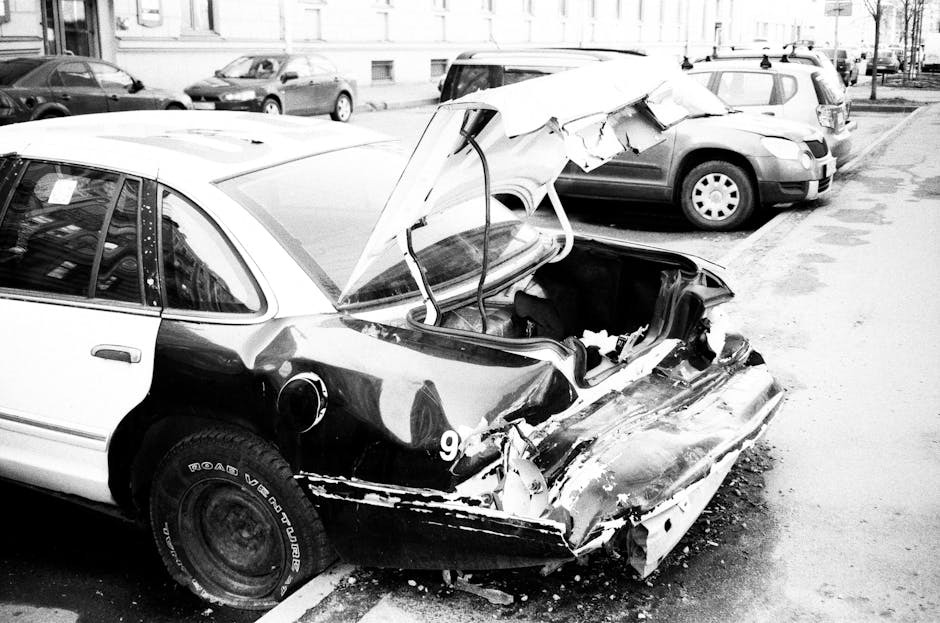

Roadside emergencies happen when you least expect them. Therefore, proper preparation transforms dangerous situations into minor inconveniences.
Most drivers carry nothing beyond a spare tire. Consequently, they face unnecessary risks during breakdowns or accidents.
1. Start With Essential Safety Equipment
Safety items protect you from traffic and environmental hazards. Additionally, they make your presence visible to other drivers.
Reflective warning triangles deploy quickly behind your vehicle. Subsequently, approaching drivers receive advance warning of hazards.
LED flares last years without battery replacement. Moreover, they’re visible from greater distances than traditional flares.
Reflective safety vests keep you visible to approaching traffic. Furthermore, many jurisdictions legally require them during roadside stops.
Keep a fire extinguisher rated for automotive fires. Therefore, you can address small fires before they become catastrophic.
| Safety Item | Primary Purpose | Recommended Quantity | Replacement Schedule |
|---|---|---|---|
| Warning Triangles | Traffic warning | 3 | Check annually |
| LED Flares | Visibility | 2-3 | Battery check yearly |
| Safety Vest | Personal visibility | 1 per passenger | Replace if damaged |
| Fire Extinguisher | Fire suppression | 1 (5 lb minimum) | Check pressure monthly |
2. Include Basic Mechanical Tools
Simple tools enable roadside repairs and adjustments. Nevertheless, choose items specifically for emergency situations.
A quality multi-tool provides numerous functions compactly. Consequently, you’ll have screwdrivers, pliers, and knives readily available.
Include adjustable wrenches in multiple sizes. Additionally, these handle various bolt sizes without multiple tools.
Pack a set of screwdrivers with common bit types. Furthermore, magnetic tips prevent losing screws in tight spaces.
Add duct tape and zip ties for temporary repairs. Therefore, you can secure loose components until proper repairs.
3. Pack Jump-Starting and Battery Equipment
Dead batteries represent the most common roadside emergency. Moreover, proper equipment gets you moving quickly and safely.
Heavy-duty jumper cables with thick gauge wiring work reliably. Subsequently, avoid cheap thin cables that overheat and fail.
Portable jump starters eliminate needing another vehicle’s help. Additionally, modern units include USB charging and flashlights.
Keep a battery terminal cleaning brush in your kit. Furthermore, corrosion often prevents successful jump-starting attempts.
Include a battery voltage tester to diagnose problems. Therefore, you’ll know if your battery needs replacement.
4. Add Tire Repair and Inflation Supplies
Flat tires happen frequently but rarely near service stations. Nevertheless, proper supplies get you back on the road.
Tire plug kits repair punctures in treads quickly. Consequently, you avoid needing immediate tow truck assistance.
Portable air compressors connect to 12-volt outlets. Additionally, they reinflate tires after repairs or slow leaks.
Keep a tire pressure gauge for accurate inflation. Moreover, digital gauges provide precise readings in all conditions.
Include valve stem caps and cores as replacements. Therefore, you can address minor air leak issues immediately.
5. Store Fluids and Lubricants
Fluid emergencies can strand you miles from help. However, carrying essentials prevents many common problems.
Keep one quart of engine oil matching your vehicle’s specification. Subsequently, you can address sudden leaks or consumption.
Store coolant concentrate in small bottles. Additionally, this addresses overheating or leak situations safely.
Include brake fluid in sealed containers. Furthermore, brake system repairs may require fluid replacement.
Pack small bottles of power steering fluid when applicable. Therefore, you can address leaks affecting steering operation.
| Fluid Type | Container Size | Storage Location | Shelf Life |
|---|---|---|---|
| Engine Oil | 1 quart | Trunk | 5 years |
| Coolant | 1 quart | Trunk | Indefinite |
| Brake Fluid | 12 oz | Sealed container | 2 years |
| Power Steering | 12 oz | Trunk | 3 years |
6. Include First Aid and Medical Supplies
Medical emergencies require immediate attention before professional help arrives. Moreover, proper supplies treat injuries effectively.
Store a comprehensive first aid kit with sterile supplies. Consequently, you can treat cuts, burns, and minor injuries.
Include pain relievers and antihistamines for common issues. Additionally, individual packets prevent contaminating full bottles.
Pack emergency blankets retaining body heat effectively. Furthermore, these occupy minimal space while providing critical warmth.
Add latex-free gloves for sanitary wound treatment. Therefore, you’ll prevent infection during emergency care situations.
7. Pack Communication and Lighting Equipment
Communication equipment ensures help arrives when needed. Nevertheless, many emergency areas lack cell phone coverage.
Keep a fully charged backup phone battery pack. Subsequently, you’ll maintain communication capability in extended emergencies.
Include a hand-crank emergency radio receiving weather alerts. Additionally, these don’t require batteries that might die.
Pack multiple flashlights with extra batteries. Moreover, LED flashlights provide bright light with long battery life.
Add glow sticks providing light without electricity. Therefore, you have backup illumination if batteries fail completely.
8. Add Weather-Specific Survival Items
Extreme weather creates unique emergency challenges. However, proper preparation mitigates environmental dangers significantly.
Keep wool blankets or sleeping bags for cold weather. Consequently, you’ll maintain body temperature during winter breakdowns.
Include hand and foot warmers activating with air exposure. Additionally, these provide immediate warmth without power.
Store a small folding shovel for digging out snow. Furthermore, this helps clear snow from exhaust pipes safely.
Pack rain ponchos keeping you dry during repairs. Therefore, you’ll work comfortably in wet conditions.
9. Store Food and Water Supplies
Extended emergency situations require sustenance and hydration. Moreover, proper nutrition maintains mental clarity and physical capability.
Keep bottled water stored in your trunk year-round. Subsequently, replace bottles every six months for freshness.
Pack non-perishable energy bars with long shelf lives. Additionally, these provide quick calories during stressful situations.
Include hard candies providing quick energy and comfort. Furthermore, they help pass time during extended waits.
Store electrolyte packets preventing dehydration in heat. Therefore, you’ll maintain proper hydration beyond water alone.
| Supply Type | Quantity Needed | Storage Method | Rotation Schedule |
|---|---|---|---|
| Water | 1 gallon per person | Sealed bottles | Every 6 months |
| Energy Bars | 4-6 bars | Original packaging | Check expiration |
| Hard Candy | 1 small bag | Sealed container | Replace yearly |
| Electrolytes | 4-6 packets | Waterproof bag | Check expiration |
10. Include Important Documents and Information
Proper documentation expedites emergency responses and insurance claims. Nevertheless, protect sensitive information from theft appropriately.
Keep copies of insurance cards and policies accessible. Consequently, you’ll have necessary information without your wallet.
Store emergency contact numbers written clearly. Additionally, phones may die leaving you without digital contacts.
Include your vehicle’s registration and owner’s manual. Furthermore, tow operators and mechanics need this information.
Add medical information and allergy details for all passengers. Therefore, emergency responders provide appropriate care immediately.
11. Add Roadside Repair Specific Items
Certain situations require specialized items for safe resolution. Moreover, these additions handle common roadside problems effectively.
Include a tow strap rated for your vehicle’s weight. Subsequently, good Samaritans can pull you from ditches safely.
Pack work gloves protecting hands during repairs. Additionally, these prevent cuts and burns from hot components.
Store rags and shop towels for cleaning and wiping. Furthermore, these prove useful in numerous emergency situations.
Add plastic sheeting protecting you from ground moisture. Therefore, you can lie comfortably under vehicles for inspections.
12. Organize Everything Systematically
Proper organization ensures quick access during stressful emergencies. However, random storage wastes valuable time when seconds matter.
Use a dedicated storage container keeping items together. Consequently, nothing rolls around or gets lost in your trunk.
Label sections for easy identification in darkness. Additionally, color-coding helps locate specific items quickly.
Keep frequently needed items most accessible. Therefore, you won’t dig through everything for common tools.
Review and reorganize your kit twice yearly. Moreover, this ensures expiring items get replaced promptly.
13. Customize for Your Specific Needs
Personal circumstances require unique additions to basic kits. Nevertheless, consider your typical driving conditions and passengers.
Parents should include diapers, formula, and entertainment items. Subsequently, children remain comfortable during extended waits.
Pet owners need food, water bowls, and leashes. Additionally, animals become stressed during emergency situations.
Medication-dependent individuals must carry extra supplies. Furthermore, store medications properly to maintain effectiveness.
Consider regional hazards like earthquakes or hurricanes. Therefore, your kit addresses likely local emergency scenarios.
14. Maintain Your Emergency Kit Regularly
Neglected emergency kits fail when you need them most. Moreover, regular maintenance ensures everything functions properly.
Check expiration dates on all food and medicine quarterly. Consequently, you’ll replace items before they become useless.
Test flashlights and replace batteries twice yearly. Additionally, cold weather drains batteries faster than normal.
Inspect tools for rust or damage every few months. Furthermore, damaged tools fail during critical moments.
Rotate water bottles preventing stale taste and contamination. Therefore, emergency water remains fresh and drinkable.
Conclusion
Comprehensive emergency kits provide peace of mind and practical help. Moreover, they transform potential disasters into manageable situations.
Start building your kit today with essential safety items. Consequently, you’ll add components gradually without overwhelming expense.
Invest in quality items that perform reliably under stress. Additionally, cheap alternatives often fail exactly when needed.
Store your kit in an accessible trunk location. Therefore, you can retrieve items quickly during emergencies.
Regular maintenance keeps your emergency kit ready always. Furthermore, proper preparation protects you and your passengers effectively.