
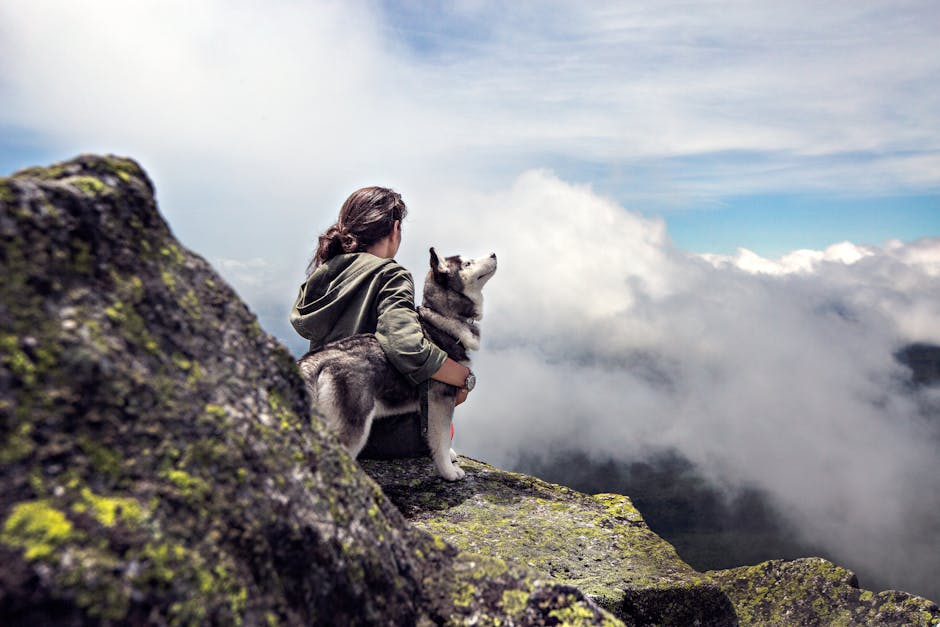

Traveling with pets creates challenges but proper planning makes trips enjoyable. However, successful pet travel requires preparation beyond just bringing them along.
1. Decide If They Should Come
Not all pets enjoy travel requiring honest assessment of their personality. Therefore, consider whether traveling serves their wellbeing or just your convenience.
Anxious pets might be happier with trusted pet-sitters at home. Moreover, short trips often stress pets more than the absence would.
| Pet Type | Travel Suitability | Ideal Trip Length | Stress Level |
|---|---|---|---|
| Adaptable dogs | High | Any length | Low |
| Anxious dogs | Low | Long trips only | High |
| Most cats | Very Low | Avoid if possible | Very High |
| Crate-trained pets | Medium-High | Medium-Long | Medium |
Elderly or ill pets suffer more from travel disruption than healthy adults. Additionally, their comfort matters more than including them in activities.
2. Prepare Health Documentation
Many destinations require proof of vaccinations and health certificates. Consequently, gathering documentation weeks before travel prevents last-minute problems.
Rabies certificates must be current with veterinarian contact information included. Furthermore, some states or countries require additional specific vaccinations.
Microchip your pet before travel ensuring identification if they escape. Meanwhile, updated tags with travel contact information provide backup identification.
3. Acclimate to Carriers Gradually
Forcing pets into carriers without preparation creates traumatic travel experiences. Therefore, positive carrier training weeks before travel reduces stress dramatically.
Feed meals in carriers making them positive spaces rather than punishment. Moreover, leaving carriers accessible lets pets explore voluntarily building comfort.
Practice short car trips gradually increasing duration before actual travel. Additionally, these trial runs reveal problems you can address before long trips.
4. Plan Pet-Friendly Accommodations
Not all hotels accept pets requiring advance research and reservations. Consequently, confirming pet policies prevents arrival surprises and scrambling.
Pet-friendly doesn’t mean all pets—size and breed restrictions often apply. Furthermore, additional deposits or fees add unexpected travel costs.
Research nearby veterinary clinics at destinations providing emergency options. Meanwhile, knowing local resources reduces stress if health issues arise.
5. Pack Complete Pet Supplies
Familiar items from home provide comfort in strange environments reducing stress. Therefore, bringing their regular food, bowls, and bedding maintains routine.
Pack medications, vaccination records, and first aid supplies preventing emergencies. Moreover, having supplies eliminates searching in unfamiliar locations.
| Essential Item | Purpose | Quantity | Priority |
|---|---|---|---|
| Food | Regular diet | Full trip plus 3 days | Critical |
| Medications | Health maintenance | Full trip plus 3 days | Critical |
| Leash/collar | Control, ID | 2 of each | Critical |
| Waste bags | Cleanup | Abundant | High |
| Comfort items | Stress reduction | Favorites | High |
Bring vaccination records as physical copies preventing technology failures. Additionally, photos on phone provide backup documentation when needed.
6. Manage Car Travel Safely
Unrestrained pets become projectiles during accidents causing injuries or death. Consequently, proper restraint systems protect pets and human passengers.
Crates, harnesses, or barriers keep pets secure during vehicle travel. Furthermore, these restraints prevent driver distraction improving overall safety.
Never allow pets to ride with heads out windows despite their enjoyment. Meanwhile, debris can cause serious eye injuries at highway speeds.
7. Handle Air Travel Carefully
Air travel poses risks requiring careful consideration before booking flights. Therefore, research airline policies and pet safety records before purchasing tickets.
Cabin travel works only for small pets meeting size restrictions strictly. Moreover, cargo travel exposes pets to temperature extremes and stress.
Brachycephalic breeds face higher risks during air travel due to breathing difficulties. Additionally, extreme weather conditions increase cargo travel dangers significantly.
8. Maintain Feeding and Exercise Routines
Consistency during travel reduces stress from environmental changes substantially. Consequently, keeping regular feeding and exercise schedules provides stability.
Feed light meals before travel preventing motion sickness and accidents. Furthermore, exercising before car rides tires pets making them calmer travelers.
Maintain potty schedule preventing accidents and discomfort during long trips. Meanwhile, regular stops benefit human and pet passengers equally.
9. Prepare for Emergencies
Travel emergencies happen requiring advance preparation preventing panic. Therefore, knowing emergency veterinary clinics along routes provides crucial information.
Pet first aid kits enable initial treatment before reaching veterinary care. Moreover, having supplies prevents searching during stressful situations.
| Emergency Preparation | Importance | Difficulty | Cost |
|---|---|---|---|
| Vet clinic locations | Critical | Easy | Free |
| First aid kit | High | Easy | Low |
| Emergency contacts | Critical | Easy | Free |
| Pet insurance | Medium | Easy | Medium |
Travel insurance covering pets protects against unexpected veterinary costs away from home. Additionally, this coverage provides peace of mind during adventures.
10. Mind Temperature Extremes
Vehicles heat or cool rapidly creating dangerous conditions for pets. Consequently, never leave pets in vehicles during extreme temperatures.
Even mild days create oven conditions inside cars within minutes. Furthermore, cracked windows provide insufficient ventilation preventing heat buildup.
Bring pets inside or stay with vehicle maintaining climate control. Meanwhile, quick errands aren’t worth risking your pet’s life.
11. Respect Destination Rules
Local leash laws, pet restrictions, and etiquette vary by location. Therefore, researching and following local regulations prevents problems and citations.
Some beaches, parks, or trails prohibit pets entirely or during certain seasons. Moreover, respecting these rules protects access for all pet owners.
Always clean up waste immediately maintaining spaces for everyone’s enjoyment. Additionally, courteous pet owners ensure continued pet-friendly policies.
12. Watch for Stress Signals
Travel stress manifests through behavior changes requiring observation and response. Consequently, recognizing stress enables intervention before problems escalate.
Panting, pacing, excessive drooling, or hiding indicate significant stress levels. Furthermore, these signals mean adjusting plans to reduce their distress.
Some pets need more breaks, quiet time, or familiar routine than others. Meanwhile, flexibility in travel plans accommodates their individual needs.
Conclusion
Successful pet travel requires thorough planning and realistic expectations. However, proper preparation creates enjoyable experiences for both pets and owners.
Start preparing for pet travel weeks before departure dates. Moreover, gradual preparation reduces last-minute stress for everyone involved.
Remember that your pet’s comfort and safety trump vacation convenience. Therefore, honest assessment sometimes means leaving them home happily.
Traveling with pets can create wonderful memories when done thoughtfully. Additionally, proper planning prevents most common travel problems.
Plan your next pet adventure today with these comprehensive strategies. The experiences you’ll share together justify thorough preparation efforts.