
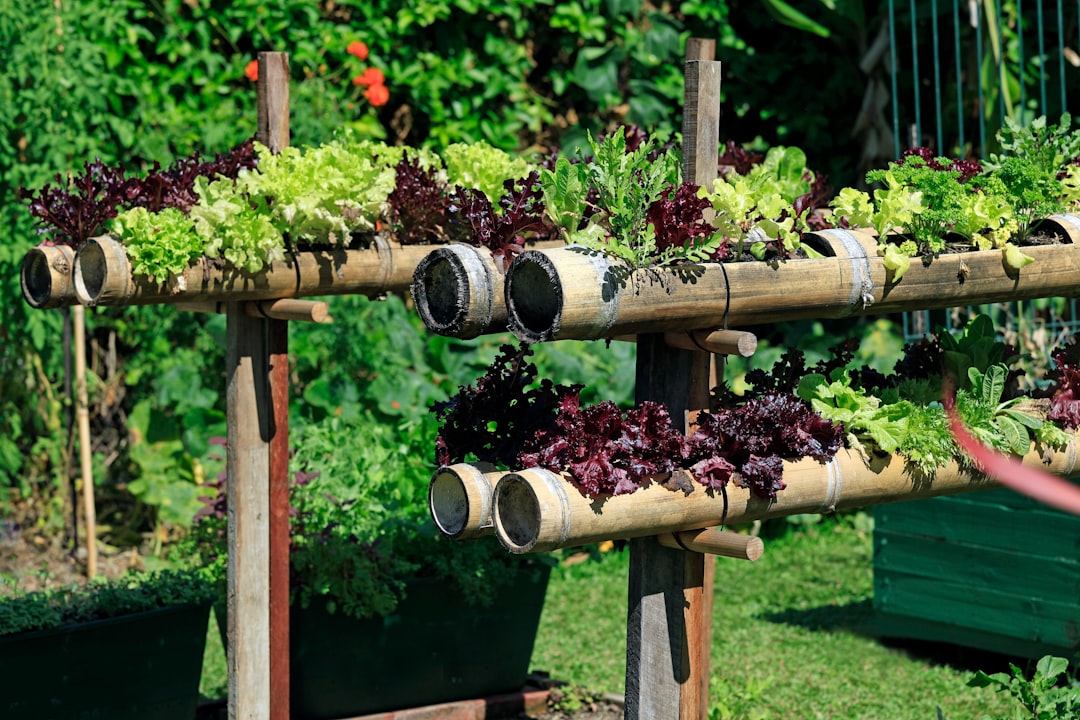

Vertical gardens maximize growing space while creating stunning living walls. Furthermore, they’re perfect for small balconies, patios, or indoor spaces. Consequently, you can grow herbs, vegetables, or flowers regardless of your square footage.
1. Choosing the Right Location and Structure
Your vertical garden’s success starts with proper placement and support. Therefore, understanding light requirements and weight capacity prevents future failures.
Most edible plants need at least six hours of direct sunlight daily. However, leafy greens and herbs tolerate partial shade conditions well. Meanwhile, flowering plants typically demand full sun for best blooms.
South-facing walls receive the most consistent sunlight throughout the day. Additionally, east-facing locations provide gentler morning light for delicate plants. Nevertheless, west-facing walls work well for heat-loving varieties like tomatoes.
Weight becomes critical when planning wall-mounted vertical gardens. In fact, saturated soil and containers can add hundreds of pounds. Therefore, ensure your structure attaches to wall studs or solid supports.
Freestanding vertical gardens offer flexibility for renters or changing layouts. Moreover, they’re easier to move and adjust as seasons change. Subsequently, trellises and tower systems provide excellent freestanding options.
| Garden Type | Weight Capacity Needed | Best Location | Difficulty |
|---|---|---|---|
| Wall-mounted pockets | 50-100 lbs | Outdoor walls | Beginner |
| Pallet gardens | 100-150 lbs | Fences/sturdy walls | Beginner |
| Tower systems | 75-200 lbs | Patios/balconies | Intermediate |
| Living wall panels | 200+ lbs | Permanent outdoor/indoor | Advanced |
2. Selecting Plants That Work Together
Plant selection determines whether your vertical garden thrives or struggles. Thus, grouping compatible plants ensures everyone gets proper conditions.
Choose plants with similar water and light requirements for each section. Otherwise, you’ll constantly struggle with over or under-watering problems. Furthermore, grouping makes maintenance significantly more efficient.
Shallow-rooted plants like lettuce, strawberries, and herbs excel vertically. Meanwhile, deep-rooted vegetables need larger individual containers or pockets. Therefore, plan your layout based on root depth requirements.
Trailing plants like cherry tomatoes and cucumbers naturally cascade downward beautifully. Additionally, they maximize your vertical growing space efficiently. Nevertheless, provide adequate support as fruits develop and gain weight.
Companion planting principles apply to vertical gardens just like traditional beds. For instance, basil planted near tomatoes improves flavor and repels pests. Similarly, marigolds throughout your garden deter various unwanted insects.
Start with proven easy-growers before attempting finicky varieties. Consequently, herbs like mint, oregano, and thyme almost never fail. Moreover, lettuce and spinach provide quick results that build confidence.
3. Building Your Vertical Garden System
DIY vertical gardens cost a fraction of commercial systems. However, they require careful construction for long-term success and safety.
Pallet gardens offer the easiest beginner-friendly option for vertical growing. First, sand the pallet and line the back with landscape fabric. Then, secure the fabric with a staple gun thoroughly.
Fill pockets with quality potting mix rather than garden soil. Moreover, potting mix provides better drainage and weighs less overall. Therefore, avoid heavy topsoil that compacts and suffocates roots.
Gutter systems mounted on walls create sleek modern vertical gardens. Additionally, they’re perfect for growing shallow-rooted greens and herbs. Furthermore, multiple tiers maximize your available wall space efficiently.
PVC pipe towers with holes drilled throughout provide excellent vertical growing. Meanwhile, they work particularly well for strawberries and lettuce. Subsequently, these systems are stackable and easily expandable.
Hanging shoe organizers transform into instant vertical gardens surprisingly well. In fact, they’re perfect for balconies and small spaces. However, ensure pockets have drainage holes to prevent waterlogging.
4. Soil and Fertilizer Requirements
The right growing medium makes or breaks vertical garden success. Therefore, don’t cut corners on soil quality regardless of budget.
Commercial potting mix specifically designed for containers works best vertically. Moreover, it contains perlite or vermiculite for improved drainage. Additionally, these mixes stay lighter than traditional garden soil.
Add slow-release fertilizer pellets when initially filling your containers. Then, supplement with liquid fertilizer every two weeks during growing season. Meanwhile, organic options like fish emulsion provide excellent nutrition.
Vertical gardens dry out faster than traditional ground-level beds. Consequently, mix water-retaining crystals into your potting mix. Furthermore, adding coconut coir helps maintain consistent moisture levels.
| Soil Component | Purpose | Ratio |
|---|---|---|
| Potting mix | Base growing medium | 60% |
| Coconut coir | Water retention | 20% |
| Perlite/vermiculite | Drainage and aeration | 15% |
| Compost | Nutrients | 5% |
5. Installing Proper Irrigation Systems
Watering vertical gardens efficiently requires more than a watering can. Thus, smart irrigation systems save time while preventing over or under-watering.
Drip irrigation systems deliver water directly to plant roots efficiently. Moreover, they reduce water waste and prevent fungal diseases. Therefore, installing them upfront saves countless hours later.
Connect your drip system to automatic timers for foolproof watering schedules. Additionally, timers ensure consistent moisture even when you’re away. Furthermore, plants thrive with predictable watering routines.
Top-down watering works naturally with gravity in vertical systems. However, ensure lower plants aren’t drowning from excess runoff above. Meanwhile, adjust drip emitters to provide appropriate amounts per plant.
Self-watering containers with built-in reservoirs reduce watering frequency significantly. In fact, some systems only need refilling weekly. Subsequently, these work exceptionally well for busy gardeners.
Hand-watering remains viable for small vertical gardens under 20 plants. Nevertheless, check moisture levels daily during hot weather. Therefore, stick your finger into soil to assess actual moisture.
6. Maintenance and Troubleshooting
Regular maintenance keeps your vertical garden productive and attractive. Consequently, small consistent efforts prevent major problems from developing.
Inspect plants daily for pest problems or disease symptoms. Then, address issues immediately before they spread throughout your garden. Meanwhile, removing affected leaves prevents contamination of healthy plants.
Prune regularly to encourage bushier growth and prevent legginess. Additionally, pinching back herbs like basil promotes more foliage production. Furthermore, removing dead or yellowing leaves improves overall plant health.
Rotate plants occasionally if some areas receive uneven sunlight. Moreover, this ensures all plants get their fair share. Therefore, take advantage of your vertical garden’s mobility.
Flush containers monthly to prevent salt buildup from fertilizers. Thus, water thoroughly until liquid runs clear from drainage holes. Subsequently, this prevents nutrient lockout and toxic accumulation.
7. Seasonal Transitions and Year-Round Growing
Adapting your vertical garden for different seasons extends productivity. Therefore, planning seasonal rotations maximizes your available growing time.
Plant cool-season crops like lettuce and kale in spring and fall. Meanwhile, summer months are perfect for tomatoes, peppers, and basil. Furthermore, succession planting provides continuous harvests throughout seasons.
Move containers indoors or to protected areas before frost hits. Additionally, cold-hardy herbs like rosemary can overwinter in mild climates. Nevertheless, most tender plants need indoor protection.
Indoor vertical gardens thrive under grow lights during winter months. Moreover, LED grow lights consume minimal electricity while providing adequate spectrum. Therefore, you can enjoy fresh herbs year-round regardless.
Conclusion
Building a thriving vertical garden requires proper planning and consistent maintenance. However, the rewards include fresh produce, beautiful living walls, and maximized growing space. Start small with easy-growing herbs before expanding to more ambitious projects. Remember that every gardener faces challenges, so don’t get discouraged by initial setbacks. Your vertical garden will improve each season as you learn what works. The skills you develop translate to all future gardening endeavors. Most importantly, you’ll enjoy fresh homegrown produce regardless of limited space.