
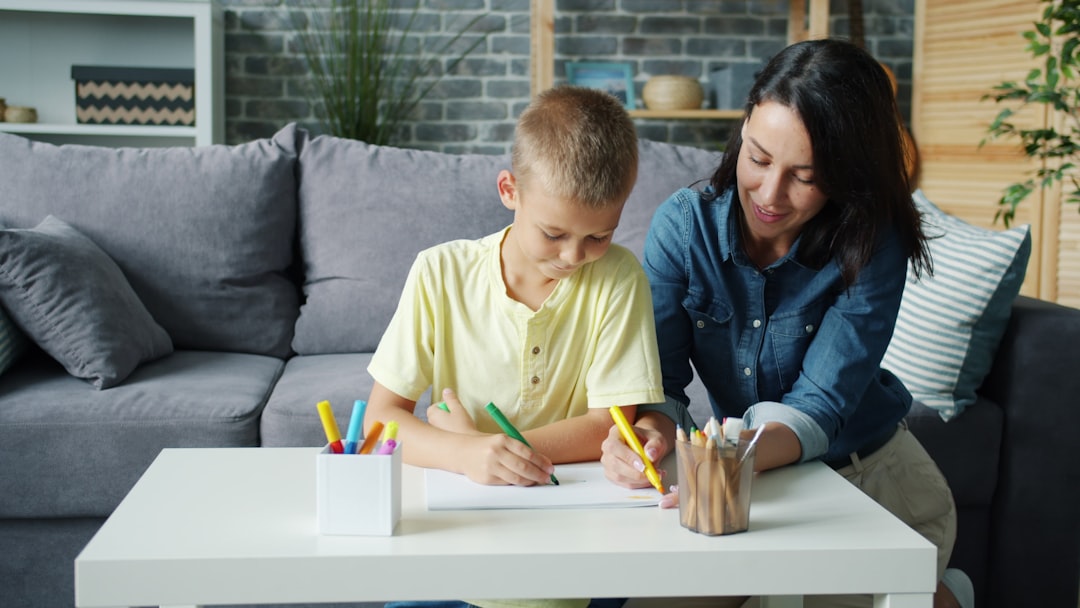

Creativity isn’t talent reserved for artists but skill everyone needs daily. However, cultivating creative thinking requires environment supporting exploration over perfection.
1. Reduce Visual and Mental Clutter
Chaos overwhelms while calm spaces invite creative thinking and exploration. Therefore, decluttering creates mental space for imagination to flourish.
Rotate toys and materials keeping limited selection accessible at once. Moreover, abundance paradoxically reduces engagement through overwhelming choice.
| Environment Type | Creative Engagement | Focus Quality | Cleanup Difficulty |
|---|---|---|---|
| Cluttered chaos | Low | Poor | High |
| Minimal selection | High | Excellent | Low |
| Moderate organized | Very High | Very Good | Medium |
Children play more creatively with fewer toys demanding imagination rather than distraction. Additionally, limited options force resourcefulness and innovation.
2. Designate Creative Mess Zones
Fear of mess stifles creativity requiring spaces where messy exploration feels acceptable. Consequently, creating designated areas removes barrier to experimentation.
Kitchen table with washable mat or garage corner enables messy projects. Furthermore, clear boundaries about where mess happens prevents whole-house anxiety.
Provide smocks or old clothes reducing worry about staining good clothing. Meanwhile, freedom from mess concerns unleashes uninhibited creative expression.
3. Stock Open-Ended Materials
Defined toys with single purpose limit creativity while open materials enable infinite possibilities. Therefore, prioritize materials that adapt to imagination.
Blocks, art supplies, cardboard boxes, fabric scraps all transform through creative vision. Moreover, simple materials often engage longer than expensive elaborate toys.
Natural materials like sticks, stones, and shells inspire creative play beautifully. Additionally, these free items connect creativity to nature naturally.
4. Value Process Over Product
Focusing on finished products creates performance pressure killing creative exploration. Instead, celebrate effort, exploration, and discovery throughout process.
When children show artwork, comment on choices and techniques not just final appearance. Furthermore, this focus teaches that creating matters more than impressing.
| Feedback Focus | Creative Confidence | Risk-Taking | Skill Development |
|---|---|---|---|
| “That’s beautiful” | Low | Decreases | Minimal |
| “Tell me about this” | High | Maintains | High |
| “What was your favorite part?” | Very High | Increases | Very High |
Display process photos alongside finished work showing that steps matter. Meanwhile, this documentation validates the entire creative journey.
5. Allow Productive Boredom
Constant entertainment prevents the boredom that sparks creative problem-solving. Consequently, resisting urge to fill every moment enables creativity emergence.
When children complain of boredom, resist immediately providing solutions or screens. Moreover, sitting with boredom eventually pushes them toward creative engagement.
Boredom motivates creation while constant stimulation creates passive consumption. Additionally, learning to self-entertain builds lifelong creativity and resourcefulness.
6. Create Inspiration Spaces
Surrounding children with art, music, and creative work normalizes creativity. Therefore, displaying diverse creative expressions plants seeds for their exploration.
Visit museums, concerts, and maker spaces exposing them to creative possibilities. Furthermore, witnessing creation process demystifies artistic pursuits.
Your own creative pursuits model that creativity belongs in everyday adult life. Meanwhile, children who see parents creating internalize this as normal.
7. Embrace Mistakes as Learning
Perfectionism kills creativity by making experimentation feel unsafe and risky. Consequently, normalizing mistakes creates psychological safety for creative risks.
Share your own creative mistakes and what you learned from them. Moreover, this vulnerability shows that failure connects directly to growth.
Celebrate interesting failures as much as successes removing fear from experimentation. Additionally, this reframe transforms how children approach creative challenges.
8. Provide Unstructured Creative Time
Scheduled activities fill modern childhoods leaving no space for free creative play. Therefore, protecting significant unstructured time enables creativity development.
Children need hours of free play weekly for creativity to flourish. Furthermore, this time looks unproductive but builds essential skills invisibly.
| Time Type | Creative Value | Skill Development | External Validation |
|---|---|---|---|
| Structured activities | Low | Specific skills | High |
| Semi-structured play | Medium | Moderate | Medium |
| Completely free play | Very High | Broad skills | None |
Resist filling every moment with productive activities and learning opportunities. Meanwhile, creative development requires space that organization can’t provide.
9. Ask Open-Ended Questions
Questions shape thinking so open-ended questions foster creative exploration. Consequently, how you question children dramatically impacts creative capacity.
“What could you build with these?” beats “Do you want to build a tower?” Furthermore, open questions remove predetermined acceptable answers.
“How else could you do that?” encourages alternative thinking and flexibility. Additionally, this questioning habit builds creative problem-solving reflexively.
10. Connect Creativity to Daily Problems
Creativity applies beyond arts extending to practical problem-solving everywhere. Therefore, frame household challenges as creative opportunities not just obstacles.
“How could we organize these toys creatively?” invites innovative solutions. Moreover, this approach teaches that creativity solves real problems.
Let children implement their ideas even when you’d do differently. Meanwhile, experiencing natural consequences teaches more than your superior method.
11. Limit Screen Time Strategically
Passive screen consumption fills time that creative play would otherwise occupy. Consequently, protecting screen-free time creates space for creative emergence.
Screens provide entertainment requiring no imagination or effort from children. Furthermore, this ease makes creative play seem difficult by comparison.
When screens aren’t option, boredom eventually drives creative activity naturally. Additionally, screen limits force development of internal entertainment capacity.
12. Celebrate Unique Thinking
Children who think differently need validation that their perspective has value. Therefore, explicitly honoring unusual ideas encourages continued creative courage.
When children suggest creative solutions, acknowledge the innovation regardless of practicality. Moreover, this validation maintains their willingness to share ideas.
| Response to Ideas | Future Creativity | Self-Confidence | Idea Generation |
|---|---|---|---|
| Dismissive | Killed | Damaged | Stops |
| Politely acknowledging | Maintained | Neutral | Slows |
| Enthusiastic engagement | Flourishes | High | Accelerates |
Avoid immediately correcting or improving their ideas showing judgment. Meanwhile, space between idea and evaluation preserves creative momentum.
Conclusion
Creative environments nurture rather than teach creativity explicitly. However, creating these conditions requires conscious effort and environmental design.
Implement three changes from this guide in your home this month. Moreover, small environmental shifts create disproportionate creative development impacts.
Remember that creativity serves problem-solving across all life domains. Therefore, creative capacity matters far beyond artistic pursuits alone.
Your children’s creative confidence depends on home environment you cultivate. Additionally, these foundational years determine lifelong creative capacity.
Start transforming your home into creative incubator today. The innovative thinking you’ll nurture serves your children throughout entire lives.