
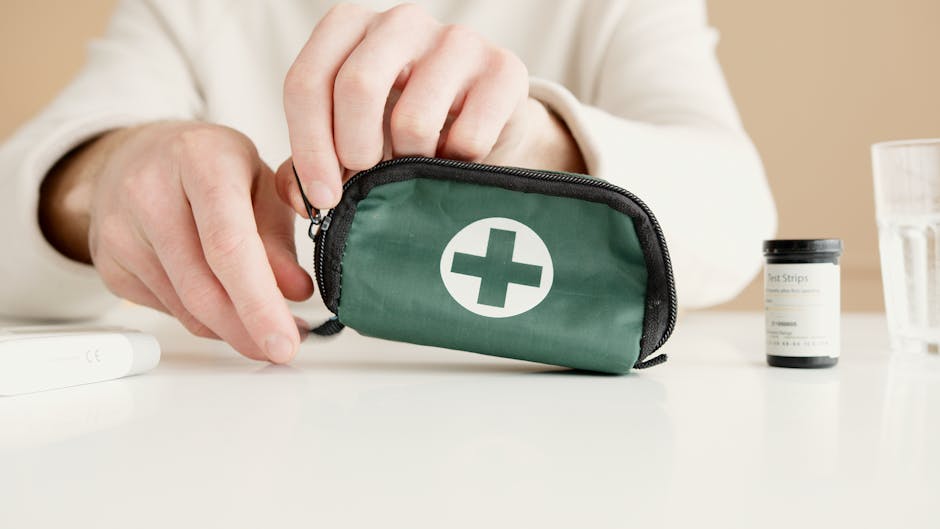

Disasters don’t wait for preparation but prepared pet owners save lives. However, creating comprehensive emergency kits requires thought beyond just food and water.
1. Assemble Essential Medical Supplies
Medical emergencies require immediate supplies before reaching veterinary care. Therefore, stocking first aid items enables initial treatment during critical moments.
Gauze, bandages, antiseptic, and basic wound care items handle common injuries. Moreover, knowing how to use these supplies matters as much as having them.
| Medical Supply | Purpose | Replacement Frequency | Priority Level |
|---|---|---|---|
| Gauze and tape | Wound coverage | After use | Critical |
| Antiseptic solution | Wound cleaning | Yearly | Critical |
| Tweezers | Foreign object removal | Never | High |
| Digital thermometer | Fever detection | Every 2-3 years | High |
| Styptic powder | Bleeding control | Yearly | Medium |
Include your pet’s current medications with clearly labeled dosing instructions. Additionally, rotating medications before expiration ensures effectiveness when needed.
2. Prepare Identification and Documentation
Evacuations separate pets from owners requiring identification proving ownership. Consequently, microchips, tags, and documentation become critical for reunification.
Keep copies of vaccination records, medical history, and prescriptions waterproofed. Furthermore, recent photos showing distinctive markings help identify your pet.
Write emergency contact numbers including your veterinarian and backup contacts. Meanwhile, storing digital copies in cloud provides backup if physical copies lose.
3. Stock Two Weeks of Food and Water
Disasters disrupt supply chains making self-sufficiency essential for survival. Therefore, maintaining two-week supplies protects against extended emergencies.
Rotate stored food regularly preventing expiration and maintaining freshness. Moreover, familiar food prevents digestive upset during already stressful situations.
One gallon of water per pet daily meets drinking and cleaning needs. Additionally, collapsible bowls save space while providing functionality when needed.
4. Include Comfort Items
Stressed pets need familiar items providing security during chaotic situations. Consequently, including favorite toys or blankets helps them cope emotionally.
Familiar scents calm anxious pets in strange temporary shelters significantly. Furthermore, these items take minimal space while providing disproportionate comfort.
| Comfort Item | Benefit | Space Required | Importance |
|---|---|---|---|
| Favorite toy | Distraction, comfort | Minimal | High |
| Worn clothing | Your scent | Minimal | Very High |
| Blanket | Security, warmth | Medium | High |
Rotate comfort items ensuring they retain your scent providing maximum calming effect. Meanwhile, having backups prevents loss of irreplaceable comfort objects.
5. Pack Secure Carriers and Restraints
Safe transportation requires appropriate carriers and leashes for every pet. Therefore, carriers sized correctly enable humane evacuation when necessary.
Each pet needs dedicated carrier preventing fights during stressful evacuations. Moreover, practicing carrier training before emergencies reduces panic when using them.
Extra leashes, harnesses, and slip leads provide backup if primary gear fails. Additionally, stressed pets escape more readily requiring redundant restraint options.
6. Add Sanitation and Cleanup Supplies
Extended emergencies without normal facilities require waste management planning. Consequently, cleanup supplies maintain hygiene in temporary shelter situations.
Litter, poop bags, paper towels, and cleaning solutions handle waste appropriately. Furthermore, these items prevent health issues in confined emergency spaces.
Disposable gloves protect you during cleanup in unsanitary emergency conditions. Meanwhile, having adequate supplies prevents creating additional problems during crises.
7. Include Emergency Contact Information
Multiple contact options ensure you can reach help regardless of circumstances. Therefore, listing veterinarians, shelters, and emergency clinics provides options.
Out-of-area contacts might be reachable when local numbers don’t work. Moreover, backup contacts who know your pets can help if you’re incapacitated.
Laminate contact lists making them water-resistant and durable for emergencies. Additionally, keeping digital copies accessible provides redundancy if physical lists lose.
8. Store in Accessible Location
Emergency kits help only if you can grab them quickly during evacuations. Consequently, strategic placement enables rapid departure without searching.
Keep kits near exits or in vehicles for immediate access always. Furthermore, everyone in household should know kit locations and contents.
| Storage Location | Access Speed | Protection Level | Best For |
|---|---|---|---|
| Near exit door | Instant | Medium | Quick evacuations |
| In vehicle | Very Fast | Low | Vehicle-dependent |
| Central closet | Fast | High | Home disasters |
Mark kits clearly with bright colors or labels for quick identification. Meanwhile, regular locations prevent wasting critical evacuation time searching.
9. Plan for Special Needs
Medical conditions, dietary restrictions, or age factors require special planning. Therefore, customizing kits to individual pets ensures adequate preparation.
Senior pets might need joint medication or supplements not required normally. Moreover, diabetic pets need insulin storage requiring specific temperature control.
Prescription diets necessary for health conditions deserve priority in emergency supplies. Additionally, sudden diet changes during stress causes digestive problems.
10. Establish Evacuation Procedures
Having supplies means nothing without plans for using them effectively. Consequently, practicing evacuation procedures ensures smooth execution during real emergencies.
Assign specific people to specific pets preventing confusion during chaos. Furthermore, practiced routines execute faster than improvised panic responses.
Identify pet-friendly shelters, hotels, and boarding facilities along evacuation routes. Meanwhile, knowing options before crisis enables quick decisions under pressure.
11. Update Kits Seasonally
Changing seasons require different supplies and preparations for various hazards. Therefore, quarterly reviews ensure kits remain current and useful.
Winter kits need heating solutions while summer requires cooling measures. Moreover, seasonal hazards like hurricanes or fires demand specific preparations.
Check expiration dates on food, medication, and supplies during reviews. Additionally, this maintenance prevents discovering expired items during actual emergencies.
12. Create Backup Communication Plans
Cell networks fail during disasters requiring alternative communication methods. Consequently, multiple contact strategies increase successful connection odds.
Text messages often work when phone calls don’t during network overload. Furthermore, social media sometimes remains functional providing communication options.
| Communication Method | Reliability | Speed | During Disasters |
|---|---|---|---|
| Phone calls | Medium | Instant | Often fails |
| Text messages | High | Fast | Usually works |
| Social media | Medium | Fast | Sometimes works |
| Medium | Delayed | Usually works |
Designate out-of-state contact person coordinating information between separated family members. Meanwhile, local contacts might be unreachable during regional disasters.
Conclusion
Emergency preparedness for pets requires forethought but saves lives during disasters. However, kits only help when maintained and accessible during actual emergencies.
Build your pet emergency kit this weekend starting with basic essentials. Moreover, having something prepared beats having perfect kit that doesn’t exist.
Remember that disasters happen without warning requiring advance preparation. Therefore, creating kits before emergencies protects your pets when crisis strikes.
Your pets depend entirely on your preparation for their emergency survival. Additionally, peace of mind from preparation reduces stress about potential disasters.
Start assembling your pet emergency kit today with available supplies. The preparedness you build today might save their lives tomorrow.

