
Cats have reputation for being untrainable but they’re actually highly intelligent learners. However, training cats requires understanding their motivation rather than applying dog training methods.
1. Abandon Dog Training Mentality
Cats aren’t small dogs requiring completely different training approaches and expectations. Therefore, releasing dog-based assumptions opens possibilities you’ve been missing.
Dogs aim to please while cats need clear personal benefit from behaviors. Moreover, this difference doesn’t make cats stubborn just differently motivated.
| Motivation Factor | Dogs | Cats | Training Approach |
|---|---|---|---|
| Social approval | Very High | Low | Cats: use food/play |
| Food rewards | High | Very High | Both: works well |
| Praise alone | Medium | Very Low | Cats: add tangible rewards |
| Play rewards | Medium-High | Very High | Cats: excellent motivator |
Understanding what motivates your specific cat makes training dramatically easier. Additionally, individual cats vary in preferred rewards requiring experimentation.
2. Use High-Value Food Rewards
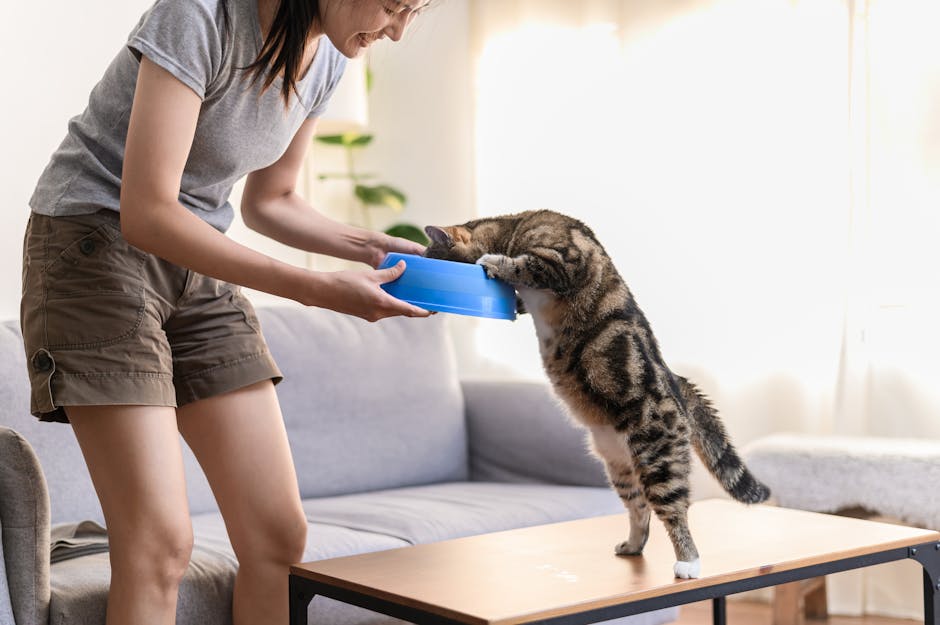
Most cats respond strongly to food making it ideal training motivator. Consequently, finding irresistible treats accelerates training progress significantly.
Small pieces of cooked chicken, freeze-dried treats, or tuna work excellently. Furthermore, keeping pieces tiny lets you reward frequently without overfeeding.
Use regular food for easy tasks saving special treats for challenging behaviors. Meanwhile, this reward hierarchy maintains motivation throughout training sessions.
3. Keep Training Sessions Brief
Cats have shorter attention spans than dogs requiring quick focused sessions. Therefore, 3-5 minute training periods prevent boredom and maintain engagement.
Multiple short sessions daily work better than one long frustrating session. Moreover, ending while they’re still engaged maintains enthusiasm for next time.
Always stop on a success rather than pushing until they quit. Additionally, this approach leaves them wanting more rather than avoiding training.
4. Start With Simple Behaviors
Sit, touch, and come provide foundation for more complex trick training. Consequently, beginning with these basics builds confidence in both you and cat.
Teaching “sit” often happens fastest since cats naturally sit frequently already. Furthermore, capturing and rewarding natural behaviors works especially well with cats.
Touch training (touching your hand with their nose) creates engagement and focus. Meanwhile, this foundation behavior enables teaching virtually anything else later.
5. Use Clicker Training Effectively
Clickers mark exact moments of correct behavior more precisely than words. Therefore, clicker training accelerates learning by clarifying what earns rewards.
Click the instant they perform desired behavior then immediately deliver treat. Moreover, this precise timing connects action to reward in their mind.
| Training Tool | Precision | Ease of Use | Cat Acceptance |
|---|---|---|---|
| Clicker | Very High | Easy | Very Good |
| Verbal marker | Medium | Very Easy | Good |
| Praise alone | Low | Very Easy | Poor |
Condition the clicker first by clicking then treating without requiring behaviors. Additionally, this foundation teaches that click predicts treats reliably.
6. Train in Low-Distraction Environments
Cats get distracted easily requiring quiet training spaces initially. Consequently, starting in calm familiar areas enables focus on learning.
Bedroom or bathroom with door closed minimizes competing stimuli. Furthermore, gradual introduction of distractions builds reliability in various situations.
Morning or evening when they’re naturally active provides optimal training times. Meanwhile, trying to train sleepy or overstimulated cats proves frustrating.
7. Capture and Shape Natural Behaviors
Waiting for cats to naturally offer behaviors works better than forcing positions. Therefore, patience pays off more than physical manipulation ever does.
When they sit naturally, immediately click and treat reinforcing the action. Moreover, this approach respects their autonomy while teaching effectively.
Shaping complex behaviors through small approximations succeeds with patient cats. Additionally, rewarding progress toward goal maintains motivation through difficulty.
8. Make Training Feel Like Play
Cats engage most enthusiastically when training feels like games. Consequently, maintaining playful energy encourages participation versus resistance.
Use excited voice and quick movements keeping energy light and fun. Furthermore, serious training atmosphere shuts down feline enthusiasm quickly.
Incorporate toys as rewards for cats less food-motivated than others. Meanwhile, ending sessions with brief play maintains positive associations.
9. Teach Practical Useful Behaviors
Training isn’t just entertainment—it teaches behaviors that improve daily life. Therefore, focus on skills that solve actual problems you experience.
Coming when called prevents anxiety when you can’t find them. Moreover, this behavior enables safer free-roaming in appropriate situations.
| Practical Behavior | Usefulness | Training Difficulty | Application |
|---|---|---|---|
| Come when called | Very High | Medium | Daily safety |
| Carrier training | Very High | Easy-Medium | Vet visits |
| Nail trim tolerance | High | Medium-Hard | Health care |
| Stay off counters | High | Hard | Household management |
Teaching calm carrier entry eliminates stressful vet visit struggles. Additionally, carrier training turns anxiety into neutral or positive association.
10. Address Problem Behaviors Constructively
Training alternative behaviors works better than just punishing unwanted ones. Consequently, teaching what TO do replaces focus on what NOT to do.
For counter surfing, train “four on floor” with heavy reinforcement. Furthermore, making ground-level more rewarding than counters changes their choice.
Punishment damages trust while rarely stopping unwanted behaviors permanently. Meanwhile, positive reinforcement builds relationship while solving problems.
11. Socialize to Training Environment
Cats need gradual exposure to training context building comfort over time. Therefore, rushing into demands before they’re comfortable sabotages progress.
Let them explore training space freely before attempting any behaviors. Moreover, this exploration satisfies curiosity enabling focus once training begins.
Some cats need multiple sessions just getting comfortable in training areas. Additionally, respecting this need prevents associating training with stress.
12. Celebrate Small Wins
Progress with cats often comes slower than dogs requiring patience and celebration. Therefore, acknowledging small improvements maintains your motivation and theirs.
Successfully completing behavior once deserves major celebration and jackpot rewards. Furthermore, these big wins keep them engaged in training process.
Expecting too much too fast leads to frustration for both parties. Meanwhile, appreciating incremental progress makes training enjoyable throughout.
Conclusion
Cats absolutely can learn impressive behaviors when trained with proper methods. However, success requires understanding feline psychology rather than forcing dog methods.
Choose one simple behavior to teach your cat this week. Moreover, starting with success builds confidence for more complex training later.
Remember that training strengthens your bond beyond just teaching tricks. Therefore, the relationship benefits justify effort regardless of specific behaviors learned.
Your cat’s intelligence deserves engagement through training and enrichment. Additionally, trained cats often behave better and seem happier overall.
Start your cat training journey today with high-value treats and patience. The capabilities you’ll discover in your cat will surprise you.